


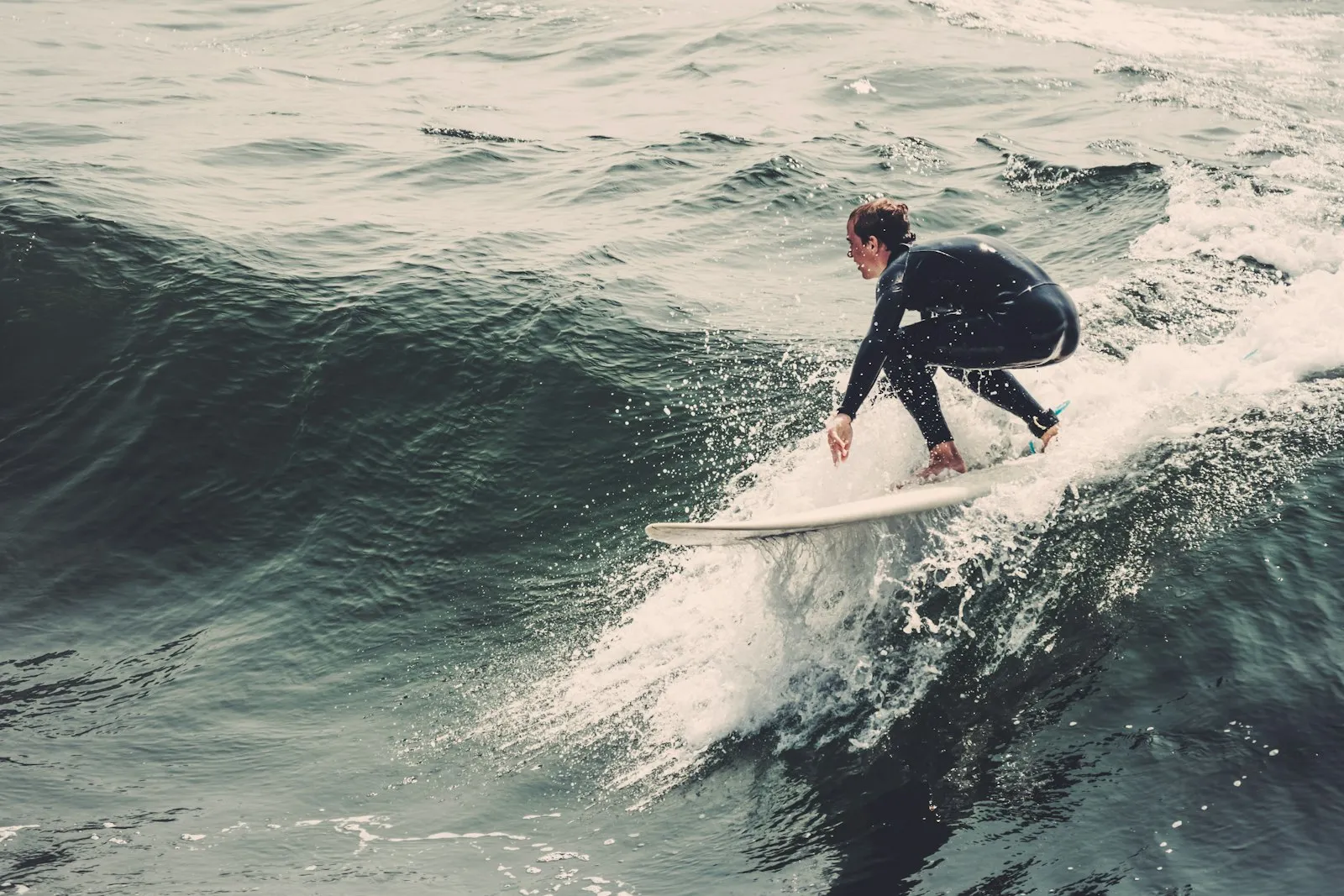
How Bali surf actually works
Bali's surf splits into two kinds of wave: gentle sand-bottom beach breaks for learning, and powerful reef breaks over shallow coral for experienced surfers. The island also runs on two seasons that decide where the wind is clean: in the dry months the south and west coasts fire, and in the wet months the east coast turns on. Because most of the best waves sit on a reef, the tide matters as much as the swell, and a spot that is fun at mid tide can be dangerous at low. The honest approach is to match your ability and the conditions to the area, rather than picking a famous name and hoping.
Beginners: Kuta, Legian and Canggu
Beginners should learn on the forgiving beach breaks at Kuta, Legian and Canggu, where the bottom is sand rather than reef. Kuta and Legian on the west coast are the classic learn-to-surf strip: long, crumbly whitewater, a sandy bottom, and plenty of instructors working the beach. Canggu is the other beginner hub, though its waves carry more push and the peaks get crowded. Board rental and lessons are easy to arrange on the beach or through your accommodation, and rates vary a lot, so ask what is included and check recent reviews before you commit to anything. Start in the whitewater and only paddle out the back once you can control the board.
The Bukit: heavy reef breaks
The Bukit Peninsula in the far south holds Bali's famous reef breaks, and they are for confident intermediate and advanced surfers only. Uluwatu is the marquee left, a long, fast wall that peels along the cliff; Padang Padang nearby is a hollow, heavy barrel often called Bali's Pipeline that only really shows at size. Bingin is a short, intense left over shallow reef, and Impossibles is a long, sectiony wave that rewards speed. All of them break over coral in often thin water, so reef cuts are common and booties are sensible. Know the paddle-out channel and the exit before you go.
Beyond the south: Medewi and the Nusas
Away from the Bukit, Medewi on the west coast and the reefs off Nusa Lembongan give you options with fewer people. Medewi is a long, mellow left point that suits improving surfers, works on many swells, and is usually best in the early morning before the wind. The islands off the southeast, around Nusa Lembongan, have several reef breaks such as Shipwrecks and Playgrounds that range from manageable to serious depending on the day. These spots take more effort to reach and have less on hand if something goes wrong, so go with people who know the break, ask about the tide, and check the conditions before you commit to the trip.
Seasons, wind and tides
The rule of thumb is that the dry season (roughly April to October) is best on the Bukit and the west coast, while the wet season (roughly November to March) favours the east coast. In the dry months the trade winds tend to blow offshore on the south and west, cleaning up Uluwatu, the wider Bukit and Canggu. When the wind swings the other way, the east-coast breaks around Keramas, Sanur and Nusa Dua come into their own. Tide changes everything on a reef, so most surfers plan a session around the forecast and the tide chart rather than just showing up. Reliable mobile data makes checking swell, wind and tides each morning much easier.
Reef, rips and lineup etiquette
Respect the reef, the rips and the lineup, because Bali's waves are unforgiving of ego. Rip currents here are strong and can pull you out quickly, so if you are caught, stay calm, do not fight it, and paddle across the current rather than straight against it. Shallow coral means a fall can cut, so learn to fall flat and protect your head with your arms. In the water, the surfer closest to the breaking part of the wave has priority, so do not drop in on someone or paddle around people to jump the queue, and give respect to the locals who surf these breaks every day. An honest read of your own level goes a long way here.