
The short answer
Cash still rules daily life in Bali: warungs, local markets, temple donations, parking and most scooter rentals want Indonesian rupiah (IDR), not cards. Withdraw from bank-branded ATMs, change money only at authorised counters, and keep a card for hotels and bigger restaurants. Rupiah runs into large numbers, so IDR 100,000 is roughly USD 6 as of July 2026. Count the zeros before you hand over any note.
Which ATMs to trust
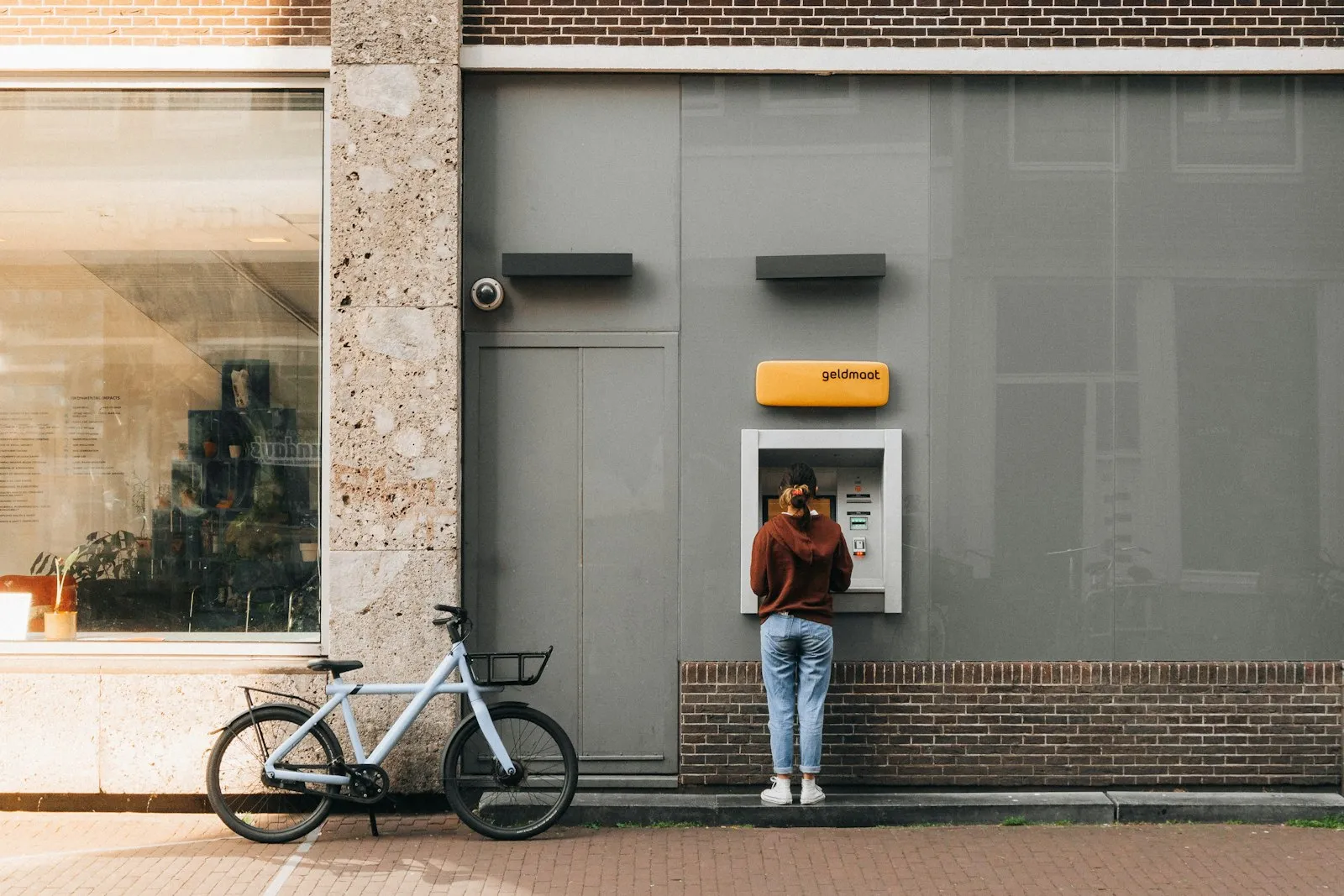
Use ATMs attached to a real bank branch, ideally BCA, Mandiri, BNI or BRI, and skip standalone machines tucked in dark corners or convenience stores. Skimming is rarer than it once was but still turns up at busy tourist spots, so glance at the card slot for loose plastic or an added casing, cover the keypad with your hand as you type your PIN, and withdraw during the day when bank staff are nearby. If a machine swallows your card, call your bank before you leave the spot.
Fees and withdrawal limits
As of July 2026, BCA and BNI generally add no fee of their own for foreign cards, while Bank Mandiri began charging an IDR 50,000 access fee on 22 February 2026, and CIMB Niaga and BRI can take roughly 2.5 to 3 percent. Per-withdrawal limits sit around IDR 2,500,000 at BCA and BNI and about IDR 3,000,000 at Mandiri. Your home bank may pile its own foreign-transaction fee on top, so take fewer, larger withdrawals to spread those flat charges.
Money changers and the sleight-of-hand scam
Change money only at authorised counters, the ones displaying a Bank Indonesia licence, and walk past the tiny shops advertising rates that look too good to be real. The classic trick is sleight of hand: the clerk counts your notes, then slips one back behind the counter while handing you the pile. Count every note yourself, keep the cash in your own hands once counted, and refuse any deal where the rate suddenly drops or a commission appears at the very end. Recount before you step away from the desk.
Cards, QRIS and paying digitally
Cards and the QRIS payment system work at hotels, malls, chain cafes and many restaurants, but they are useless at the warung, the market stall or the roadside fuel seller. Card machines sometimes add a surcharge of a few percent, and some places stay cash-only despite a card sticker on the door. Treat plastic as a backup for bigger bills and keep rupiah for everything small. Mobile data helps here: you can check the live exchange rate or find the nearest bank ATM on maps before you withdraw.
How much cash to carry
Carry only what a day needs, roughly IDR 500,000 to IDR 1,500,000 depending on your plans, and leave the rest locked at your accommodation. A day of street food, scooter fuel, temple entries and a massage rarely tops IDR 700,000, so there is no reason to walk around with a thick wad. Split your cash and cards between two places, keep small notes handy for parking and tips, and top up from a bank ATM every couple of days rather than all at once.