


The short answer
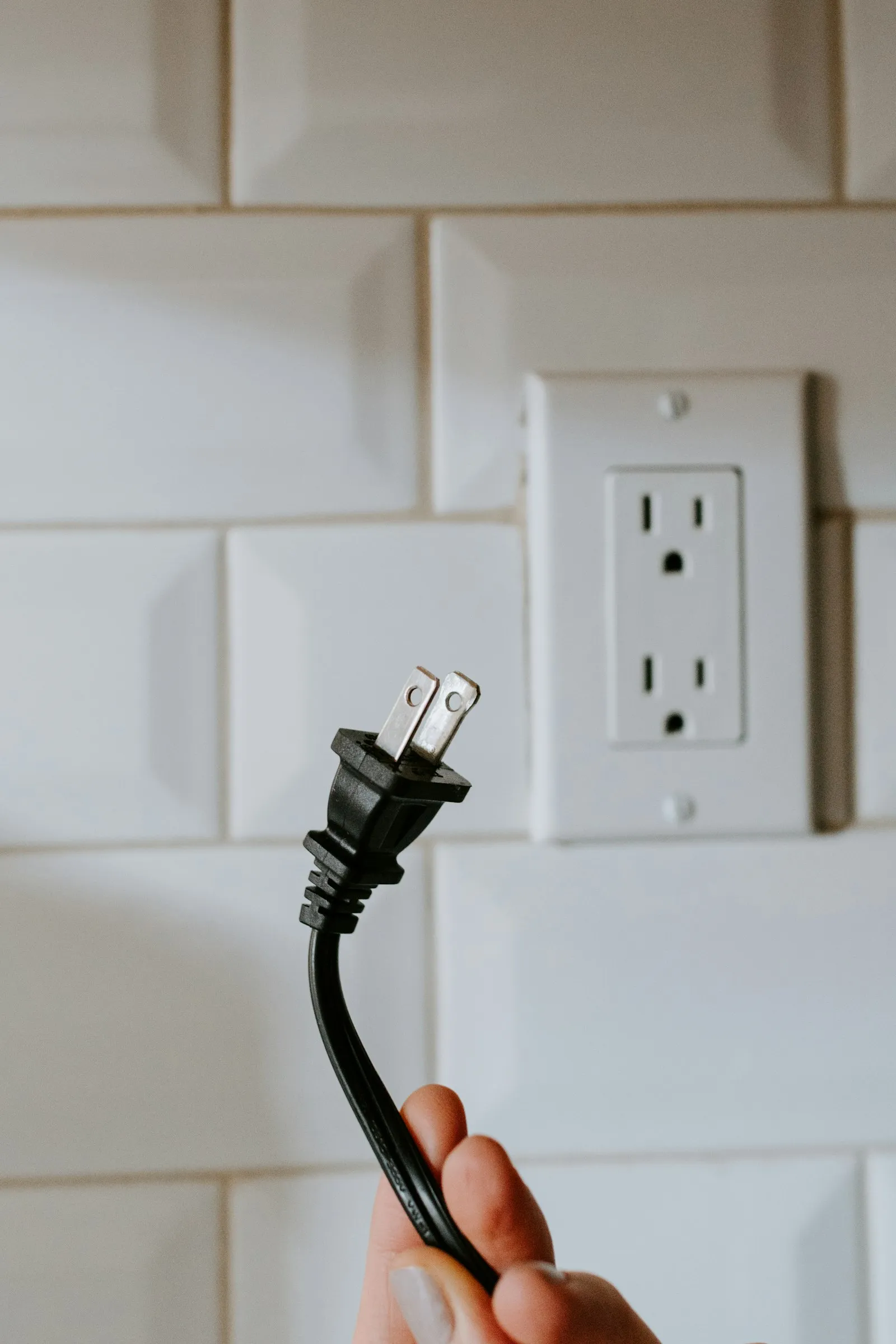
Indonesia, including Bali, runs on 230 volts at 50 hertz, using plug types C and F, the round two-pin European style. Travellers from the UK, the US, Australia and most of Asia will need a travel adapter to fit their chargers into the socket. If you are coming from continental Europe, your plugs already fit and you need nothing extra. The adapter only changes the shape of the plug, not the electricity itself, so the next thing to check is whether your devices can handle 230 volts, which is covered below.
Do you need a voltage converter?
Most modern chargers for phones, laptops, tablets and cameras are dual voltage, meaning they accept anything from roughly 100 to 240 volts and work in Bali with just a plug adapter. Check the small print on the charger or power brick: if it reads 100 to 240V, you are fine. The devices to watch are high-heat ones from a 110 to 120 volt country, such as some hair dryers, straighteners and travel kettles, which can be damaged or unsafe on 230 volts without a voltage converter. When in doubt, leave the heat appliance at home and use what the accommodation provides.
Which adapter to pack
Pack a simple adapter that fits type C and F sockets, the round two-pin European shape, or a universal travel adapter that includes it. Type C is the slim two-pin plug and type F is the same two round pins with side earth clips, and both slot into the sockets you will meet across Bali. A universal adapter with built-in USB ports is handy, since it lets you charge a phone and a power bank from one wall socket. There is no need for anything specialist or expensive. Any adapter covering the European round-pin standard will do the job.
Sockets in budget places
Sockets in budget guesthouses and older buildings can be loose, sparse or a little rough, so set your expectations for cheaper stays. You may find only one or two outlets in a room, plugs that sit loosely and need propping, or an adapter that works its way out of a worn socket. None of this is dangerous as a rule, but it is worth knowing before you rely on a single wall charger overnight. A short extension lead or a multi-port USB charger turns one iffy socket into several, which is a small thing that saves real trouble on a longer trip.
Power cuts happen
Occasional power cuts happen in Bali, especially in the wet season or during island-wide grid problems, and most last minutes rather than hours. Larger hotels often run a generator that kicks in quickly, while smaller places may simply wait it out. It is rarely more than an inconvenience, but it is a good reason not to let your phone drain to nothing, since an outage can also take the Wi-Fi and sometimes the mobile signal with it for a while. Keep your key devices topped up during the day so a short blackout never leaves you in the dark.
Staying charged out and about
For day trips, temple visits and long scooter rides, a power bank is the single most useful thing you can carry. Maps, ride-hailing apps, photos and messaging all drain a battery fast in the heat, and wall sockets are scarce once you leave your room. A mid-size power bank charged overnight will usually see a phone through a full day out and cover a friend too. Staying charged is really about staying online, so if you are running maps and Grab on a Goodbars eSIM, a power bank keeps that connection alive right up until you are back at the socket.