


The cafe and coworking scene
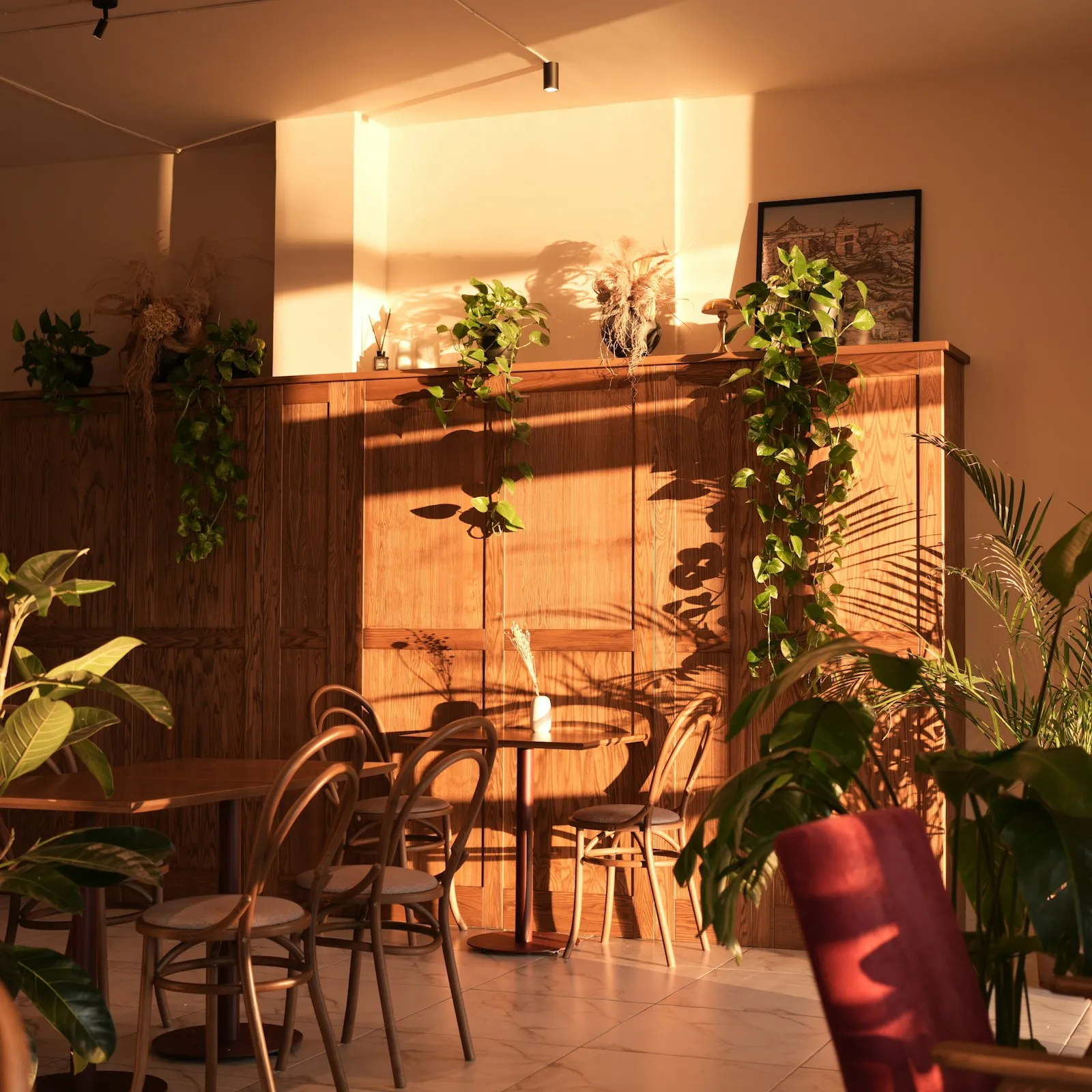
Bali runs on remote work, and its cafes and coworking spaces are a big reason people choose to work from the island. Across the main hubs you will find air-conditioned cafes with strong coffee, fast Wi-Fi and plenty of people on laptops, alongside dedicated coworking spaces built for longer days. The scene is concentrated in a few areas rather than spread evenly, so where you base yourself shapes your working day. If you are planning a longer working stay, it is worth reading our dedicated digital-nomad guide as well, which covers visas, cost of living and choosing a neighbourhood in more depth.
Canggu: the main hub
Canggu is the island's main remote-work hub, with the densest cluster of laptop-friendly cafes and coworking spaces. The area north of Seminyak has grown up around surfing and remote work, so most cafes here expect people to sit and work, and several coworking spaces run within a short scooter ride of each other. The upside is community and choice: it is easy to find a desk, a call booth or a fast Wi-Fi cafe. The downside is that Canggu is crowded and its lanes jam with traffic, and the popular cafes fill fast at peak hours, so the best seats tend to go early in the day.
Ubud: quieter and greener
Ubud is the quieter, greener alternative, popular with people who want focus over social buzz. Inland and a little cooler than the coast, it draws a wellness-and-yoga crowd and has its own set of calm cafes and coworking spaces, often set among rice fields rather than beaches. The pace is slower and the evenings are early, which suits deep, heads-down work. The trade-off is that Ubud is further from the airport and the surf, and its options are fewer than Canggu's, so it can feel limited if you like variety. A lot of people split a longer stay between the two areas.
Uluwatu and Sanur
Uluwatu and Sanur round out the main working areas, each with a different character. Uluwatu, on the southern cliffs, has a smaller but growing scene aimed at surfers who work between sessions, with cafes and a few coworking spots spread along the peninsula. Sanur, on the calmer east coast, is quieter, flatter and more established, popular with families and longer-stay visitors who want a settled base and gentle water. Neither is as dense as Canggu, but both trade some of that choice for less crowding and, in Sanur's case, an easier and more relaxed day-to-day rhythm.
Cafe-working etiquette
Cafe-working comes with a few unspoken rules, and following them keeps the welcome open for everyone. Order something, and keep ordering if you stay for hours; a single coffee stretched across a whole morning is poor form. Avoid camping on a four-seat table at peak brunch and lunch times, when cafes need the seats for paying diners. Some cafes limit or ban laptops during busy hours or in certain rooms, so watch for signs and ask if you are unsure. Bring headphones for calls and step outside for long or loud ones. The rule is simple: be a paying guest, not a squatter.
Coworking, cafes and staying online
For real deadlines a coworking space beats a cafe, and a mobile data plan is the backup that saves the day. Coworking spaces sell day passes or memberships and are built for work: steady air-conditioning, reliable power, proper chairs, meeting rooms and, most importantly, dependable Wi-Fi. Cafes are fine for lighter tasks but vary a lot. The honest reality is that connectivity is good in the main hubs but not flawless: Wi-Fi can slow at peak times and power cuts do happen, sometimes taking a cafe's internet down with them. That is why regulars keep a working data line on their phone as a hotspot backup, so a dropped connection never means a missed call.