


What the wet season is really like
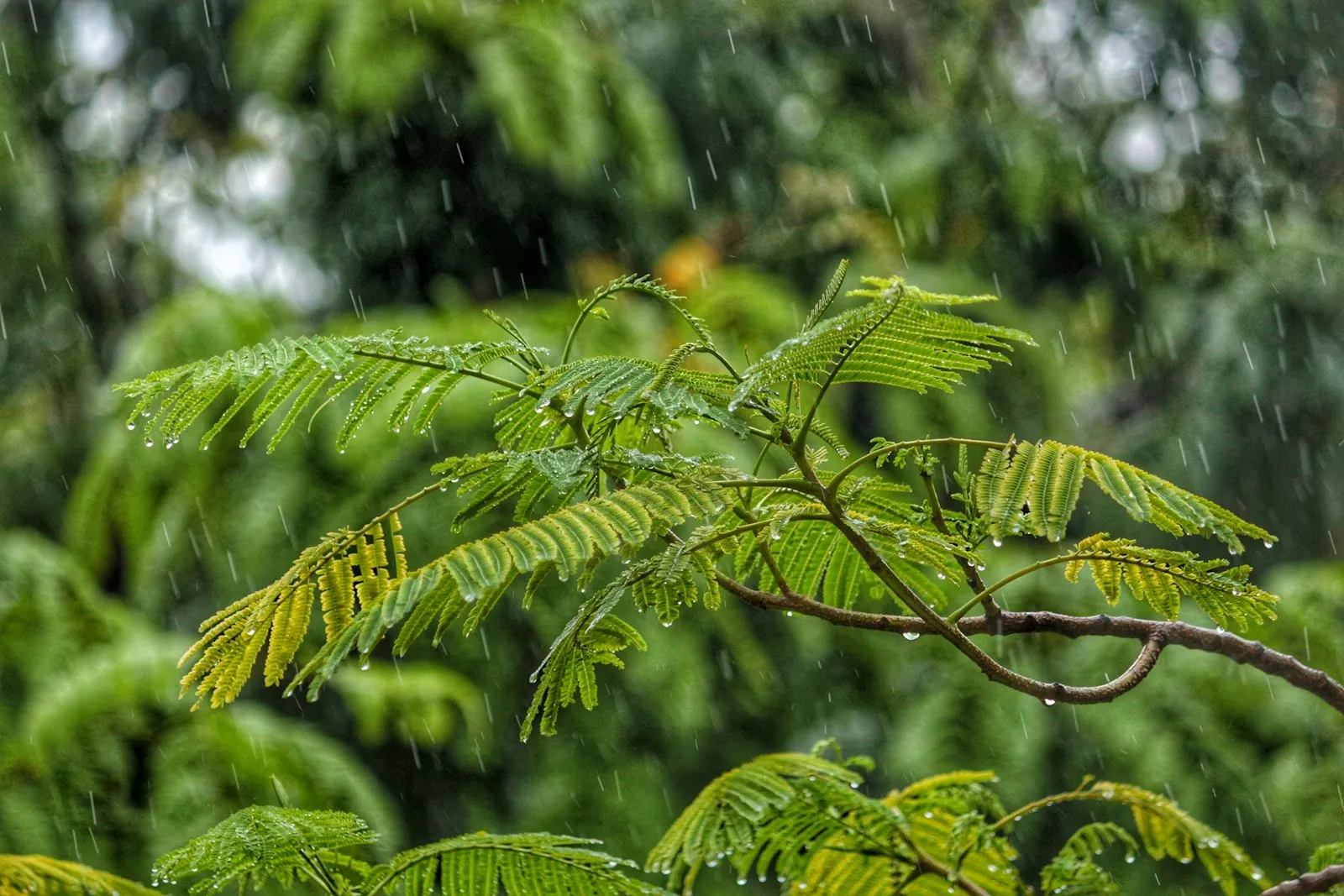
Bali's wet season runs roughly from November to March, and the honest picture is downpours rather than all-day rain. A typical wet-season day often brings heavy rain in the afternoon or evening, sometimes short and intense, with sunny or bright spells around it rather than constant grey. Humidity is higher and the air feels heavier, and the sea can be rougher and murkier on exposed coasts. It does not rain every day or all day, and the pattern varies from year to year, so treat this as the general rhythm rather than a guarantee. Plenty of travellers have great trips in these months by planning around the showers.
The upside: quieter, cheaper, greener
The wet season has real upsides: fewer crowds, softer prices and the greenest landscape of the year. Outside the July and August peak and the December holidays, the popular sights are quieter and accommodation and tours often cost less, so your money stretches further. The rain also transforms the scenery: the rice terraces turn a deep green and the waterfalls run fuller and more powerful than in the drier months around April to October. If your priority is photography, calm at the big sights and value over guaranteed sunshine, these months can genuinely suit you better than the busy dry season.
Rain-friendly things to do
Bali has plenty to do when the rain comes in, so a wet afternoon rarely means a wasted one. This is a good island for indoor experiences: a spa treatment or massage, a Balinese cooking class, a museum or art gallery, or a browse through a covered market all shrug off the weather. Temples stay worth visiting between showers, and many look their most atmospheric under moody skies. Ubud, with its galleries, workshops and wellness scene, is especially easy to enjoy in the wet. Building a couple of these into your plan gives you a ready fallback for whenever the sky opens up.
Timing your day and picking a coast
Working around the rain is mostly about timing your day and choosing a calmer coast. Mornings are often the brightest part of a wet-season day, so it pays to do outdoor sights early and keep the afternoon flexible for indoor plans, since the heavier rain tends to arrive later. On the water, the east and southeast coasts around Sanur and Nusa Dua are usually calmer and more sheltered in these months than the exposed west, which can help with swimming and boat trips. Conditions shift day to day, though, so check the forecast the night before and keep your plans loose.
Nyepi, the Day of Silence
Nyepi, Bali's Day of Silence, usually falls around March, near the end of the wet season. The date follows the Balinese calendar and shifts each year, so check it if your trip lands in March. For a full day the whole island effectively shuts down: no flights in or out, no going out, and quiet and darkness at night, with everyone, visitors included, expected to stay in. The eve brings the striking ogoh-ogoh parades of giant papier-mache monsters. It is a remarkable thing to witness, but plan for a day confined to your accommodation, with food and essentials sorted in advance.
Packing and staying connected
A little preparation makes wet-season Bali easy: pack for rain and keep your plans, and your phone, flexible. Bring a light rain jacket and quick-drying clothes, pack sandals with grip since paths and steps get slippery, and keep electronics in a dry bag on scooters and boats. Because you will be checking forecasts, rebooking around showers and swapping outdoor days for indoor ones at short notice, staying connected matters even more than in the dry season. A working data plan lets you watch the radar, move a tour and call a Grab out of the rain without hunting for cafe Wi-Fi.