


Start with a clinic, not an article
The single most useful thing you can do is book a doctor or a travel clinic six to eight weeks before you fly, because only they can advise on your own health, history and itinerary. This guide is general travel-health information, not personal medical advice, and nothing here is a prescription. A clinic looks at where you are going in Indonesia, how long for, what you plan to do and your own medical background, then advises accordingly. Six to eight weeks gives time for any course that needs more than one dose.
Routine vaccines first
Before any travel-specific shots, the baseline advice is to make sure your everyday vaccinations are current. Health services generally suggest checking that routine cover, such as measles, mumps and rubella, tetanus, diphtheria and polio, is up to date before you travel anywhere. These are easy to overlook because they feel unrelated to a beach holiday, but a clinic will usually run through them first and top up anything that has lapsed. Your own doctor can confirm what, if anything, you are due.
Vaccines commonly discussed for Indonesia
For Indonesia, travellers commonly discuss hepatitis A and typhoid with a clinic, and sometimes rabies or Japanese encephalitis, but which apply to you is a decision for the clinic, not this page. Hepatitis A and typhoid come up often because both link to food and water. Rabies is sometimes considered for people who may be around animals, given the island's stray dogs and monkeys. Japanese encephalitis is sometimes raised for longer rural or outdoor stays. Treat all of these as things your clinic may bring up and advise on, framed by your own trip, never as a fixed shopping list.
Dengue and why bites matter
Dengue is a mosquito-borne illness present in Bali, and because there is no simple traveller vaccine you would rely on, avoiding bites is the practical defence. Dengue is spread by Aedes mosquitoes, which are day-biters most active around dawn and in the late afternoon, not just at night. That changes how you protect yourself: use an effective insect repellent through the day, not only at dusk, cover up with loose long sleeves where you can, and use screens or air conditioning where you stay. Bite prevention is the everyday habit that lowers the risk, so build it into daytime plans rather than treating it as a night-time worry.
Malaria and the honest rabies note
Malaria risk in Bali's main tourist areas is generally considered low, but rabies deserves genuine respect around animals. Many sources describe Bali as low risk for malaria, though your clinic confirms this against your exact plans, especially if you travel on to other parts of Indonesia. Rabies is the one to take seriously day to day: do not touch or feed stray dogs or the monkeys at temples and forests, and supervise children around them. If any animal bites or scratches you, wash the wound thoroughly with soap and running water for several minutes and seek medical care straight away, however minor it looks. Do not wait to see how it heals.
Packing and staying reachable
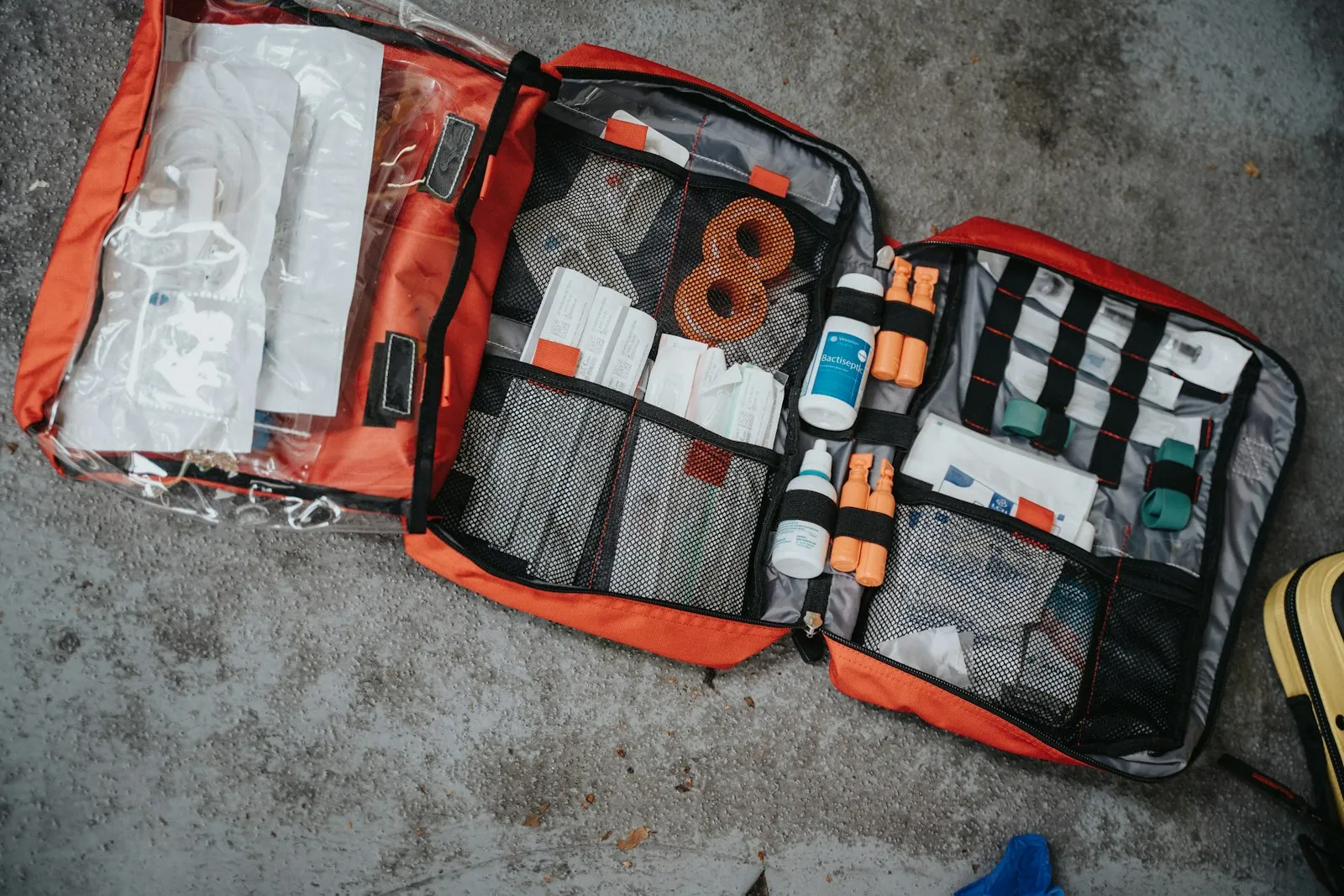
Beyond vaccines, pack a small health kit and make sure you can actually reach help if you need it. A basic kit covers repellent, sunscreen, any personal medicines in their original packaging with a copy of the prescription, oral rehydration salts and simple plasters. Keep travel insurance details and your clinic's advice somewhere you can find them. Being online quietly matters here too: a working connection lets you look up a nearby clinic, call a doctor or book a car to get there without hunting for a signal. None of this replaces professional advice, so let a doctor or pharmacist guide your own decisions.