


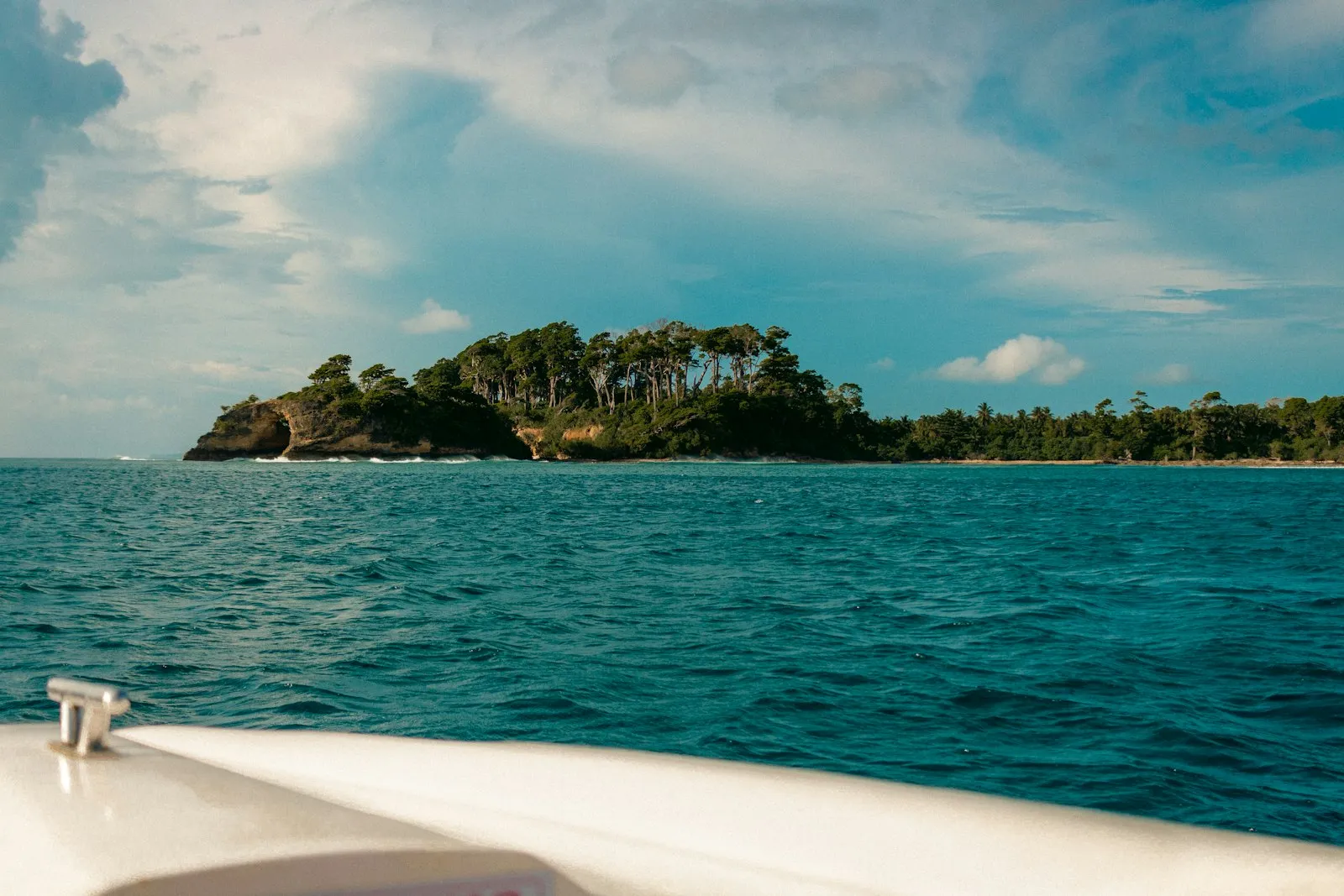
Fast boats from Bali
Most travellers reach the Gili Islands by fast boat from Bali, leaving from Padang Bai in the east, Serangan near the south, or Amed in the northeast. The crossing is longer and more open than the short Nusa Penida hop, commonly around 1.5 to 2.5 hours depending on the harbour, the operator and the sea. Padang Bai is the busiest departure and the one most schedules are built around. Amed sits closest to the islands, so its crossings can be shorter. Times shift with conditions, and this stretch of water can get genuinely rough, so an early boat and a flexible plan both help.
The Gilis are in Lombok, not Bali
An important thing to know first: the Gili Islands are not part of Bali at all, they belong to Lombok, in the province of West Nusa Tenggara. They sit off Lombok's northwest coast, so a fast boat from Bali is crossing between two islands rather than just running up a coastline. That matters for planning, because the crossing is a real sea journey and not a quick transfer, and because the islands keep a quieter, more remote rhythm than Bali's busy south. Treat a Gili trip as a proper side trip, not an afternoon out.
Trawangan, Meno or Air?
There are three Gilis, and they are genuinely different, so pick the one that matches the trip you want. Gili Trawangan, the largest, is the liveliest, with the most restaurants, bars and evening buzz, though it has calmed from its old party reputation. Gili Meno, the smallest and in the middle, is the quiet one, low-key and often chosen by couples and honeymooners. Gili Air sits between the two in character, sociable but relaxed, with an easy village feel and good swimming off the beach. All three are small enough to walk around, and you can hop between them by local boat if you want a taste of each.
No cars, no scooters
None of the Gilis allow cars or motorbikes, so once you step off the boat there is no traffic at all. Getting around means walking, cycling, or taking a cidomo, the local horse-drawn cart, and bicycles are by far the most popular way to circle an island. This is a big part of the appeal: the islands are quiet in a way Bali's south is not. It also means you carry your own bags from the jetty to your accommodation or load them onto a cidomo, so pack light and wear something you can walk in across sand.
Booking the crossing
Book your crossing ahead and choose your harbour to match where you are staying in Bali, then plan around the sea rather than the clock. Padang Bai works well from Ubud or east Bali, Serangan from the southern beach areas, and Amed if you are already up the northeast coast. Confirm your return boat and its last departure, because the schedule is sparser than the Nusa Penida run. Crossings can be delayed or cancelled in bad weather, so avoid booking a Gili return for the same day as an onward flight, and keep a buffer if you can.
Staying connected out here
Connectivity on the Gilis is patchier than in Bali's south, so it helps to arrive already set up rather than hunting for signal on the island. The islands are small and remote, and mobile coverage and Wi-Fi can be slower and less reliable than you are used to on the mainland, especially at busy times. That is part of the switch-off charm, but it is worth planning for if you need to confirm boats, find your accommodation or check maps. Having a working data plan such as a Goodbars eSIM sorted before you cross means you are not depending on finding a connection once you land.