
The short answer
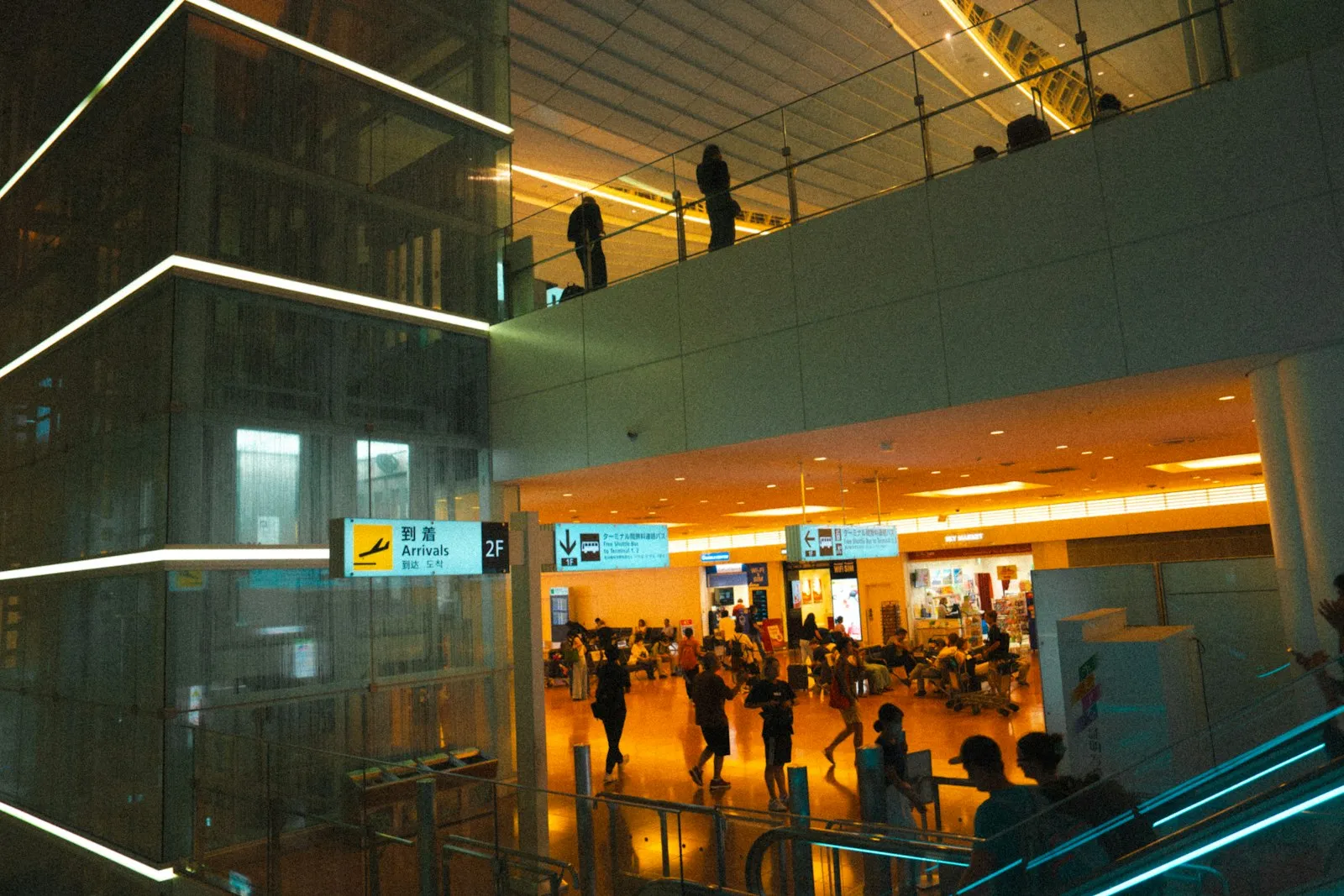
Install your eSIM at home, have your passport ready and, if you filed one, the Visit Japan Web QR code on your screen, then head for the train with data already running. Haneda Airport, officially Tokyo International Airport, IATA code HND, sits in Ōta, 15 km south of Tokyo Station, and is the busier of the two airports serving Greater Tokyo. It is the main domestic base of Japan Airlines, in Terminal 1, and All Nippon Airways, in Terminal 2; international flights use Terminal 3, which opened in 2010. It is the closer of Tokyo's two airports, which is exactly why the first hour goes quickly.
Immigration comes first
EU and Turkish passports enter visa-free for stays of up to 90 days as temporary visitors. Immigration photographs and fingerprints every foreign visitor, so expect the queue to move steadily rather than fast. Visit Japan Web, the Digital Agency's service, lets you do the immigration and customs steps online before you land and gives you a QR code to show at the desk. Doing it at home is one less job after a long flight.
Two rules from the UK Foreign Office are worth knowing before you land: you must carry your passport at all times, and some common prescription and over-the-counter medicines are illegal to bring in, so check yours before you pack.
Getting into the city
At 15 km from Tokyo Station, Haneda is the easy airport for the city, and Narita, about 60 km east, is the long one. We do not list lines or fares here: check the route from Haneda to your hotel in your map app before you fly, and save it offline. Whatever you take, an IC card makes it simpler, because Suica and Pasmo pay for local trains, subways and buses nationwide, and Suica works on iPhone through Apple Wallet, so you can set it up at home. Taxis are the expensive option. For later legs, luggage forwarding between hotels, takkyubin, is a normal service in Japan.
Getting online the moment you land
An eSIM is a profile, not a card. Scan it at home on Wi-Fi, leave it switched off for the flight, and switch it on when the plane door opens: you then have data at immigration, where the Visit Japan Web QR code lives, and on the platform, where the route to your hotel lives. Haneda also takes long-haul flights at night, and an eSIM does not care what time you land. Goodbars sells a Japan eSIM you install at home and switch on when you land; it runs on NTT docomo, Japan's largest mobile network by mobile contracts, and our Japan coverage page shows where it reaches and what independent speed tests measure. Your phone has to support eSIM and must not be network-locked.
SIM cards and pocket Wi-Fi
Two alternatives exist, and in Japan both are common. A local prepaid SIM gives you a Japanese data plan, but we have not documented where to buy one at Haneda or when that point is staffed, so check before you fly instead of counting on it after a late landing. Renting a pocket Wi-Fi is a long-standing habit for visitors to Japan: you book online, collect the device when you land and return it before you fly home. Confirm with the rental company where the Haneda pickup is and when it is open. For a group that moves together, one router can make sense; for a solo traveller or a couple, an eSIM means nothing to collect, charge or return.