
The short answer
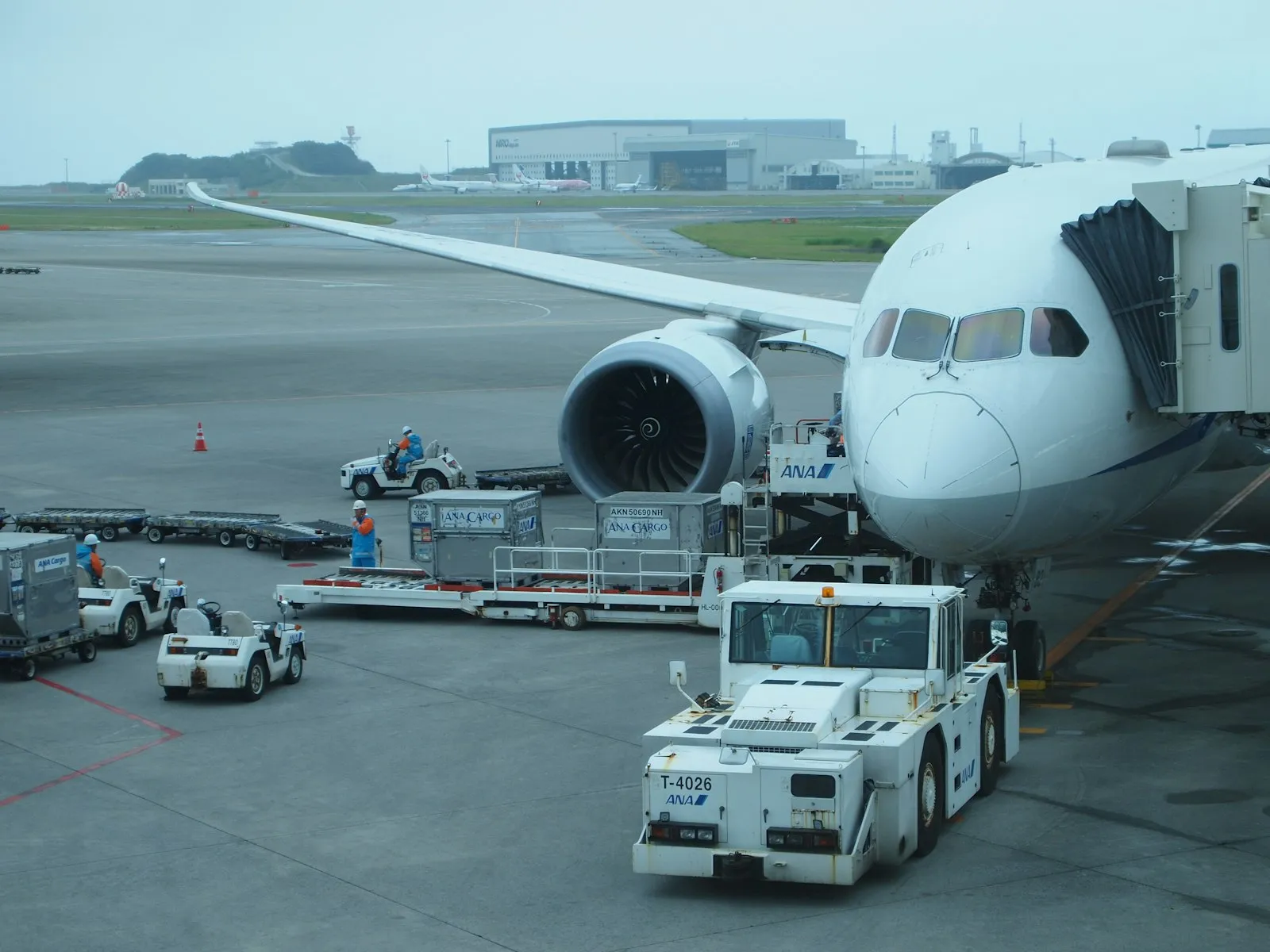
Install your eSIM at home, switch it on when the plane door opens, and have the route to your hotel saved before you land. Naha Airport, IATA code OKA, sits 4 km west of the city hall in Naha, the capital of Okinawa Prefecture. It is Japan's sixth busiest airport and the main gateway to Okinawa, it operates around the clock, and it handled 21.5 million passengers in 2018. Scheduled international flights link it with Taiwan, Hong Kong, South Korea, Thailand, Malaysia, Singapore and mainland China, and a new international terminal opened in February 2014. Most of what happens next, from the hotel to the ferry, runs through your phone.
Immigration: here or earlier
Where you meet immigration depends on how you arrive. On a direct international flight, it happens here: EU and Turkish passports enter visa-free for up to 90 days as temporary visitors, immigration photographs and fingerprints every foreign visitor, and Visit Japan Web, the Digital Agency's service, lets you file the declarations online in advance and show a QR code. If you connect through Tokyo, and Haneda to Naha was the third busiest route in Japan in 2022, you clear immigration where you first land and arrive at Naha as a domestic passenger.
Either way, carry your passport: the UK Foreign Office notes you must be able to show it at all times.
Into Naha and on to the islands
The airport is 4 km west of Naha's city hall, so the city itself is close; we do not list lines or fares, so check the route to your hotel before you fly and save it offline. If you plan to use an IC card such as Suica, check that it covers the ride you plan, and remember that taxis in Japan are expensive. Okinawa Island is about 106 km long, so a beach hotel further along the coast is a real journey, not a hop. For the smaller islands, Ryukyu Air Commuter flies from Naha to the surrounding islands, and ferries leave Naha for the Kerama islands such as Tokashiki, Aka and Zamami.
Getting online the moment you land
An eSIM is a profile, not a card: scan it at home on Wi-Fi, leave it off for the flight, and switch it on when the plane door opens. Naha runs around the clock, and an eSIM works the same at midnight as at noon, with no counter to find. It matters in typhoon season too (June to December, peaking from July to September and riskiest in the south, says the UK FCDO), when flight and ferry changes arrive as messages and the Japan Meteorological Agency's alerts reach your phone. Goodbars sells a Japan eSIM you install at home and switch on when you land; it runs on NTT docomo, Japan's largest mobile network by mobile contracts, and our Japan coverage page shows where it reaches and what independent speed tests measure. Your phone has to support eSIM and must not be network-locked.
SIM cards and pocket Wi-Fi
Renting a pocket Wi-Fi is a real habit for visitors to Japan: you book online, collect the router, share it across your group and hand it back before you fly home. Okinawa adds a wrinkle: if your trip starts in Tokyo and ends here, or the other way round, confirm with the rental company where you can collect and return it, because we have not documented the rental points at Naha ourselves. The same goes for a local prepaid SIM; check where to buy one before you fly. If your group splits up between beaches and islands, one shared router leaves someone offline, and an eSIM on each phone does not.