Two days, and the buses decide the order
Start each day at first light and Kyoto is a different city. The capital from 794 to 1868 holds roughly 2,000 temples and shrines, seventeen of them inscribed as UNESCO World Heritage monuments in 1994, and you will not see them all in two days. Take two or three sites a day and leave room for the streets between them. Buses reach the famous temples and are reliably crowded; the two subway lines are quick where they go, and a Suica or Pasmo IC card taps you through both without counting fares. Kyoto City has charged a revised accommodation tax since 1 March 2026, from ¥200 to ¥10,000 per person per night depending on the room rate, so check whether your quote includes it.
Day one, dawn to noon: Fushimi Inari, then Kiyomizu-dera
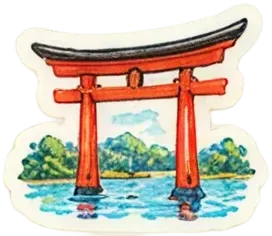
Fushimi Inari-taisha is free and open around the clock, which is the whole argument for being there at first light. The head shrine of Inari was founded in 711 by the Hata clan, and about 10,000 torii donated by businesses climb the hillside, roughly 800 of them lined up in the Senbon Torii tunnel. The trails up Mount Inari, 233 metres, run about 4 km and take around two hours; walk twenty minutes up and turn back if you want the rest of the day. Then cross to the eastern hills for Kiyomizu-dera, one of the few Kyoto temples older than the capital itself and part of the Historic Monuments of Ancient Kyoto. We have no verified entry fee for it, so carry cash and check at the gate.
Day one, afternoon and evening: Gion and Nishiki
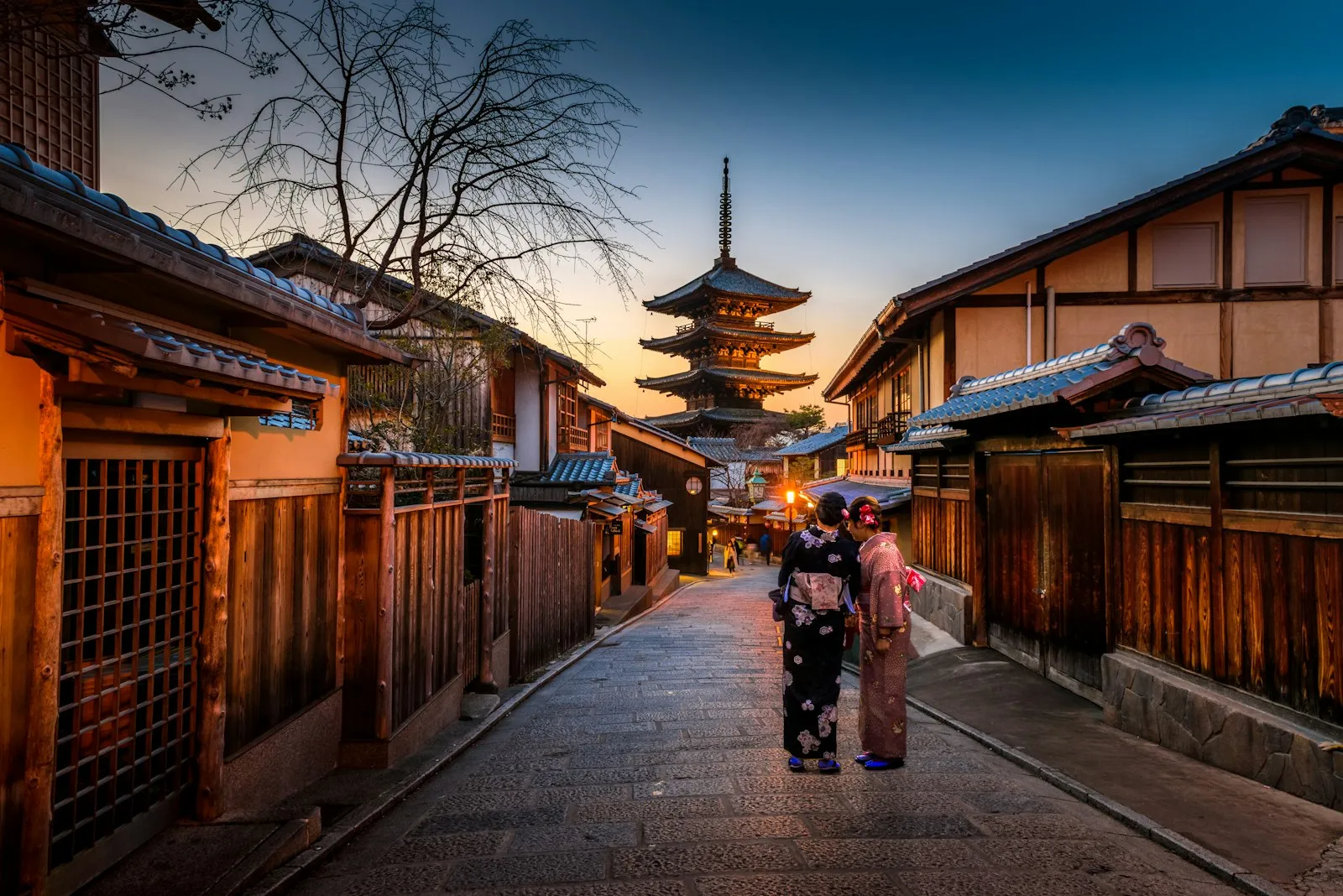
Gion is a district of Higashiyama-ku that grew up in front of Yasaka Shrine in the Sengoku period to serve travellers, and became the best known geisha district in Japan; in Kyoto the word is geiko. The dances run from 1 to 30 April, at the height of the blossom. The rest of the year the lanes themselves are the point, and one rule covers your behaviour in them: these are working streets and private houses, so no photographs of people who have not agreed to them. Eat downtown afterwards. Nishiki Market runs about 400 metres along Nishikikoji Street between Takakura and Teramachi, roughly 130 shops under a covered arcade, and it has been called the city's kitchen since long before visitors arrived.
Day two, before breakfast: Arashiyama
Arashiyama means Storm Mountain, and the name covers two things: a district on the western outskirts and the mountain across the Oi River behind it, together a nationally designated historic site and place of scenic beauty. The bamboo grove is the photograph everyone wants and the first thing to fill, so it is a before-breakfast job or it is not worth doing. The district is older than the pictures suggest: one of the oldest shrines in the Kyoto area, founded in 700, stands here. Give the riverbank half an hour once the grove is behind you, then head north-east while the morning is still yours. Check the route and the nearest station in a transit app; the west side is not where the subway goes.
Day two, afternoon: Kinkaku-ji and Nijo Castle
Kinkaku-ji, officially Rokuon-ji, is a Zen temple named after its reliquary: the Golden Pavilion, three storeys and 12.5 metres tall, its top two floors coated in gold leaf half a micrometre thick. The building you photograph was rebuilt in 1955 after an arson attack, and it is one of the seventeen Historic Monuments of Ancient Kyoto. Nijo Castle finishes the day in the flat centre of the city: two concentric rings of fortifications, the Ninomaru Palace, the ruins of the Honmaru Palace and several gardens across 275,000 square metres, of which 8,000 are built on. It was donated to the city of Kyoto in 1939 and opened to the public the year after.
Making 48 hours work, and staying online
Count the travel against your two days. The shinkansen from Tokyo reaches Kyoto Station in around 2.5 hours, the Haruka limited express comes in from Kansai International Airport in about 1 hour 20 minutes, and Osaka is fifteen minutes away, so an afternoon arrival costs you a morning. Carry your passport, which you are required to have on you, and carry cash: small restaurants and shrines still want it. Smoking on the street is illegal in some Japanese cities, so use the marked areas.
Goodbars sells a Japan eSIM you install at home and switch on when you land; it runs on NTT docomo, Japan's largest mobile network by mobile contracts, and our Japan coverage page shows where it reaches and what independent speed tests measure. docomo's 5G standalone spot list of 31 May 2026 names the squares outside Kyoto Station's north central and Hachijo exits; elsewhere expect LTE, which docomo's 2025 sustainability report puts at about 100% population coverage, with 5G depending on your handset.