The short answer
Japan runs on the yen, and it still runs on cash more than most rich countries. Cards and contactless work in cities and chains, but small restaurants, shrines and rural inns often want notes. Bring a card that works in a Japanese cash machine: the UK FCDO says the machines at 7-Eleven stores, post offices and JP Post Bank accept some foreign cards during business hours, and the screen shows the fee before you confirm. Then buy a Suica or Pasmo IC card and keep it topped up: it pays for trains and buses nationwide, and for the coffee at the station too. At the till, put your money in the little tray rather than in the cashier's hand, and never leave a tip. One cost comes with your flight home: Japan's International Tourist Tax, which the airline collects with the fare, rose from ¥1,000 to ¥3,000 per departure on 1 July 2026, although tickets bought before that date keep the old rate.
The yen, and where cash still wins
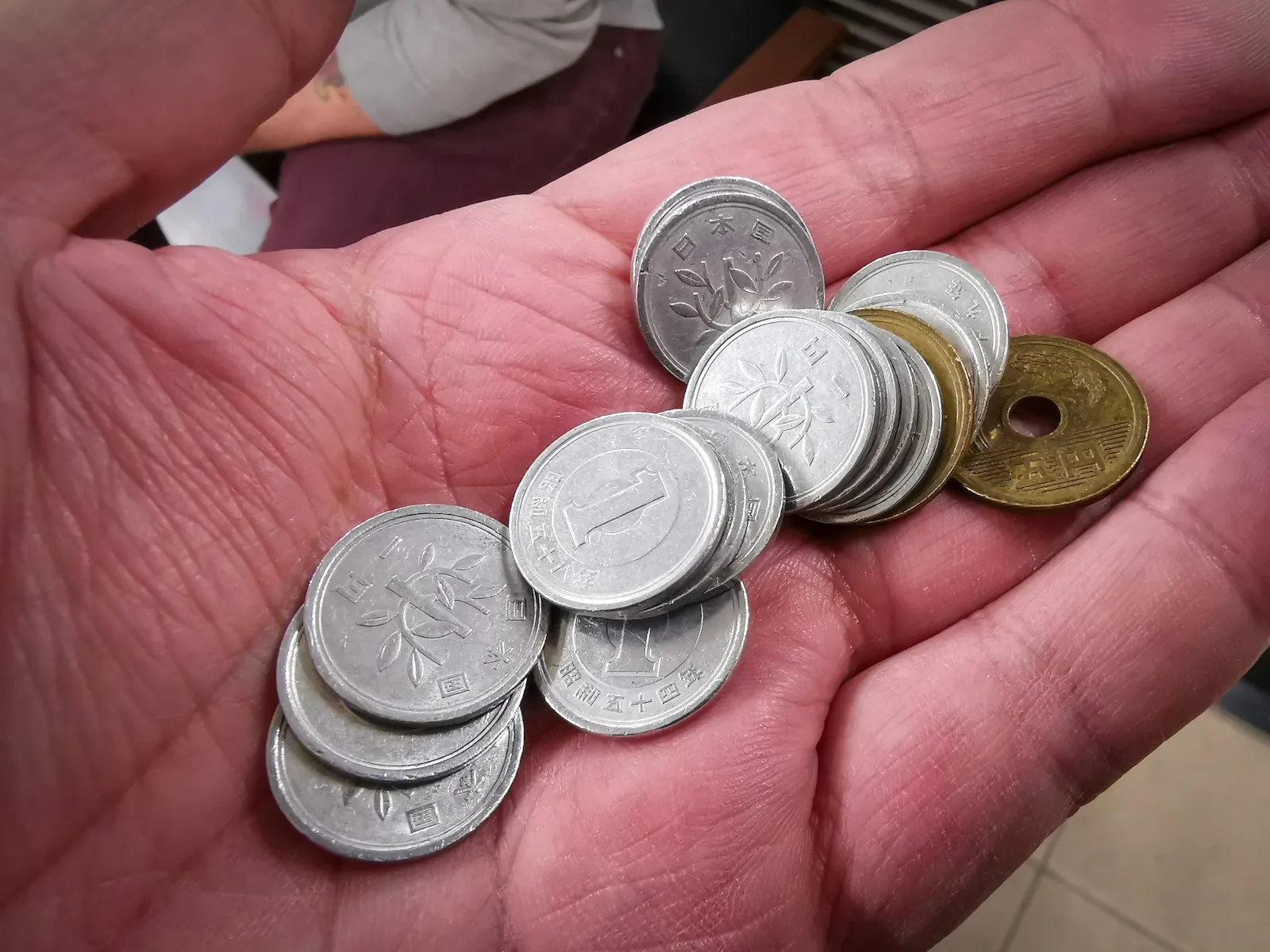
The yen comes as coins up to ¥500 and notes from ¥1,000 to ¥10,000, and a new set of banknote designs arrived in 2024. Both sets circulate side by side, so do not be surprised when your change looks nothing like the note you handed over. Carry a coin purse: with a ¥500 piece as a coin rather than a note, small change piles up fast.
Cards and contactless are ordinary in city shops, hotels and chains. What catches visitors out is the other half of the country. A small restaurant with a hand-written menu, an offering box at a shrine, a rural inn, a market stall: cash still goes a long way in all of them. Keep a reserve of notes on you instead of assuming the next place takes plastic.
Cash machines: 7-Eleven and the post office
For a foreign card in Japan, the cash machines to look for are at 7-Eleven, the post office and JP Post Bank. Those are the ones the UK FCDO names as accepting some foreign cards during business hours, and it adds that Cirrus, Maestro, Link and Delta cash cards are not widely accepted. The screen shows the fee for that withdrawal before you confirm it, so you can read it and cancel if you would rather walk to a different machine.
Two habits make this painless. Take out larger amounts less often, because the fee is charged per withdrawal rather than per yen. And check your own bank's foreign-transaction charge before you leave, since that is the cost the Japanese screen cannot show you. If your bank is the sort that blocks a card first and asks afterwards, tell it you are travelling.
Suica and Pasmo: one card for the train and the till
Suica and Pasmo are the two IC cards worth having, and they do far more than trains. Suica has run since 18 November 2001, from JR East, and by October 2023 there were 95.64 million cards issued and 1.63 million shops taking them. They pay for trains and buses nationwide, and for purchases at convenience stores, chain restaurants and station shops, with a tap instead of a handful of coins.
On an iPhone, Suica lives in Apple Wallet, which is the easy route: you add it and top it up from the phone and never queue at a ticket machine. Physical cards have had supply shortages, so if you want the plastic version, buy it when you see it rather than assuming the next station will have one in stock. Welcome Suica and Tourist Pasmo are the visitor versions: no ¥500 deposit, but valid for 28 days only, and value left on a Tourist Pasmo is not refunded.
The tray at the till, and why nobody tips
Money changes hands through a small tray, not from your fingers to the cashier's. Every till has one. Put your notes and coins in it, and your change and receipt come back the same way, often handed over with both hands and a short bow. It is not a formality you can skip to be friendly: passing cash straight across reads as clumsy rather than warm.
And there is no tipping in Japan. Not in restaurants, not in taxis, not for a hotel porter. Money left on a table is more likely to produce a member of staff following you into the street to return it than a smile. The service is in the price, the price is what you pay, and a clear thank you does the job a tip would do at home.