Why people insure a Japan trip
Japan is safe and orderly, but medical care there is expensive, and that is the reason most travellers buy cover. The UK FCDO is blunt about it: medical facilities are of high quality, treatment is expensive, and you should expect to pay the whole cost of any treatment you receive. Facilities may also check your insurance before treating you, which can delay care. Insurance also covers the ordinary mishaps that do not care how safe a country is: a cancelled flight in typhoon season, a bag that does not arrive, a phone dropped on a platform. This page is general information, not financial or insurance advice.
Medical cover and evacuation
The FCDO's own checklist says to confirm, before you travel, that your destination can provide the healthcare you may need and that you have appropriate travel insurance for local treatment or unexpected medical evacuation. That is particularly important if you have a health condition or are pregnant. In practice this means looking at the medical limit on a policy and at whether repatriation and evacuation are included, not just treatment abroad. Japan's hospitals are good, so evacuation is less about getting better care elsewhere and more about getting you home safely if something serious happens. Keep your policy number and the insurer's emergency line saved where you can reach them offline.
The skiing and hiking clause
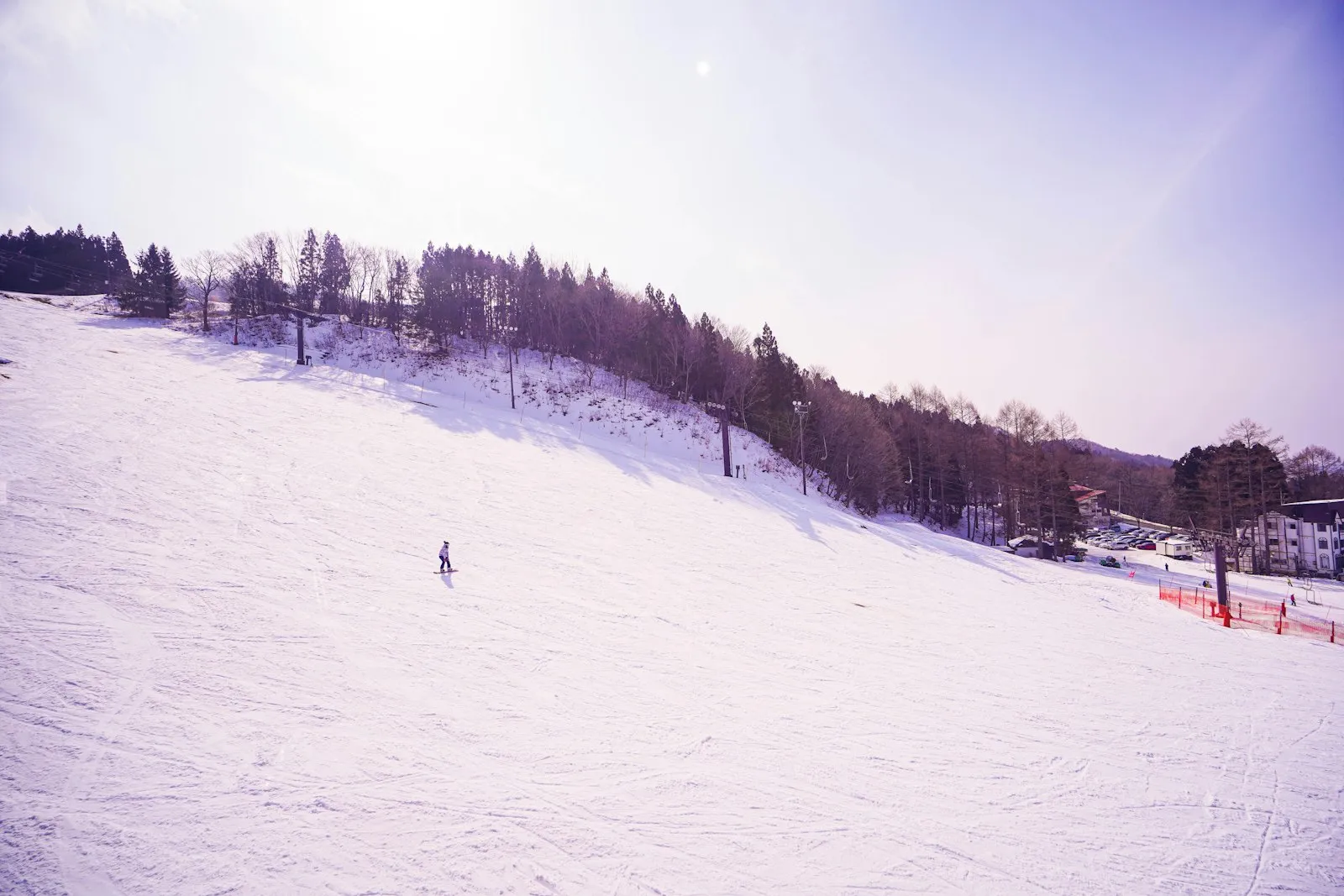
In Japan the exclusion that catches travellers is winter sports and mountain hiking, both of which many standard policies leave out unless you add them. Hokkaido has long winters and heavy snow, and ski trips are a big part of why people visit in January and February. Mountain walking is just as popular, and the FCDO notes that altitude sickness is a risk in parts of Japan. Policies often treat both as activities you must declare, sometimes with conditions about marked pistes, off-piste riding, guided routes or a maximum altitude. If you plan to ski, snowboard or walk high ground, check that the wording covers it before you buy rather than at the clinic afterwards.
What people typically check
Beyond the medical limit, the usual checks are the excess, the activities included, cancellation, and cover for gadgets and theft. For Japan, a few extras are worth a look. Trip disruption matters in typhoon season from June to December, peaking from July to September, when flights and trains are cancelled. Gadget cover matters because you will carry a phone that runs your maps, translation and tickets. Rail travel is the backbone of most itineraries, so check how delays and missed connections are handled. If you have a health condition, declare it: undeclared pre-existing conditions are one of the most common reasons a claim is refused anywhere.
Read the wording, then the bottom line
The exclusions decide whether a policy pays, so read the wording before you buy and not after something happens. Look for undeclared conditions, alcohol or drug related incidents, valuables left unattended, and the conditions attached to a valid claim, such as keeping receipts or reporting a theft to the police within a set time. The honest bottom line for Japan: you are insuring against a rare, expensive event in a country where you pay the full cost of treatment yourself, and against a winter or mountain accident that a standard policy may exclude. Match the cover to what you will actually do, and keep the documents where you can open them without data.