
Kamakura
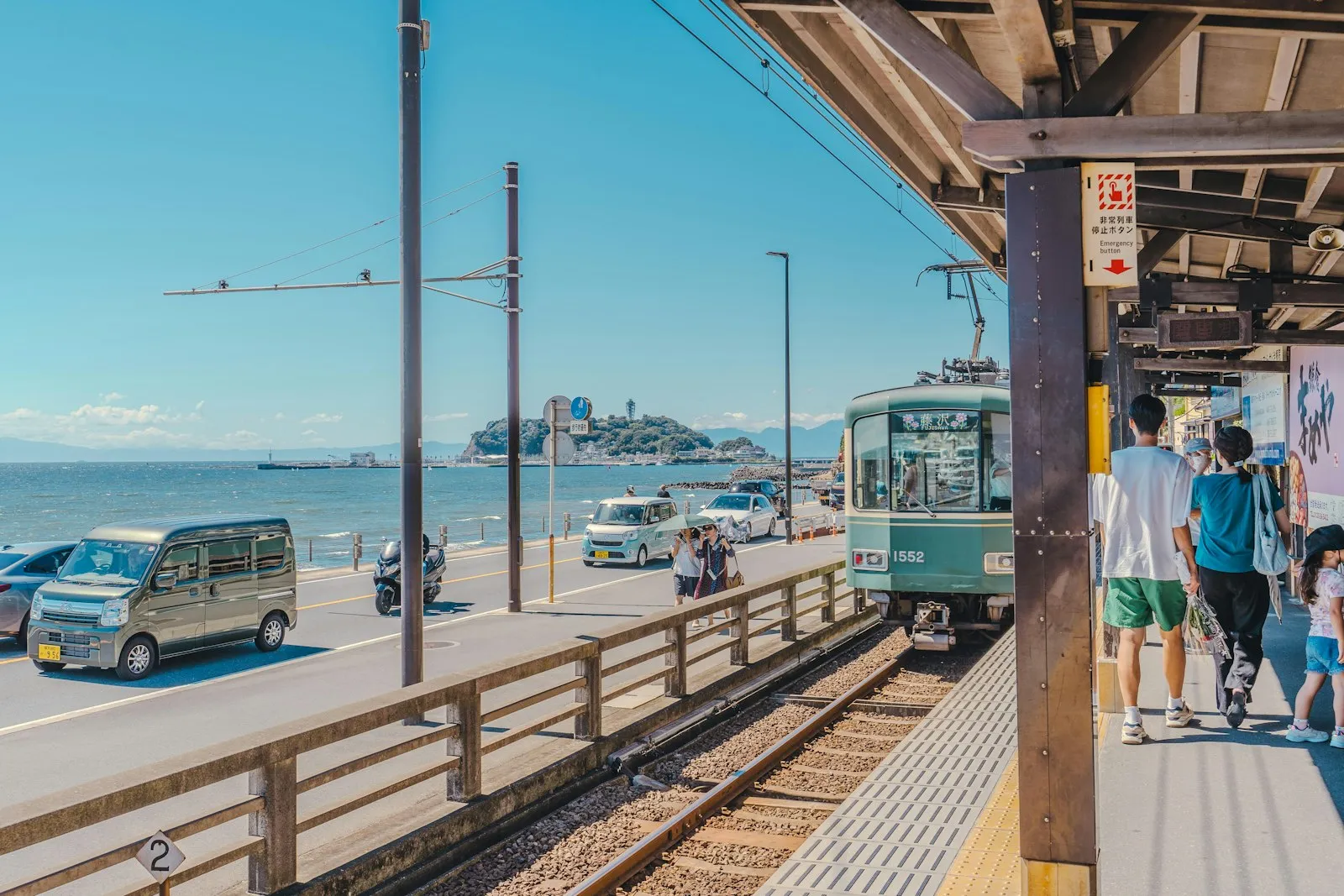
Kamakura was Japan’s de facto capital from 1185 to 1333, the seat of its first military government, and today it is a compact coastal town of temples, the Great Buddha and a beach at the end of the walk.
Kamakura in a nutshell
Kamakura is a coastal city in Kanagawa Prefecture, 172,929 people on 39.67 square kilometres, and for a century and a half it was the centre of Japan. From 1185 to 1333 it was the seat of the Kamakura shogunate, founded by Minamoto no Yoritomo, the first military government in the country’s history, which made it the de facto capital. What survives is a town of temples and shrines on wooded slopes, with the Great Buddha and Tsurugaoka Hachimangū as its landmarks. Townspeople from Edo were already coming here as tourists in the Edo period, and it is still the easiest day out of Tokyo.
Temples, shrines and the beach
Tsurugaoka Hachimangū and the Great Buddha are the two sights most visitors come for. In the district of Yamanouchi, home ground of the Hōjō clan, stand three great temples, and Kamakura was the cradle of Nichiren Buddhism in the 13th century: the small Myōhō-ji, the Temple of Moss, stands where Nichiren lived for 19 years. The Great Kantō Earthquake of 1923 cost the city much of its heritage, and it rebuilt around what survived. Finish where the Namerigawa does: the river runs about 8 km from the Asaina Pass to the sand at Yuigahama.
Getting there and getting around
Kamakura is a day trip from Tokyo by train, and the one that needs the least planning: most of the temples are within walking distance of the station, and the walk ends at the beach. Check your return train before you set off, since the evening leg home is the part people misjudge. A Suica or Pasmo IC card covers the trains and buses, so there is no ticket queue. Weekends and holidays bring the crowds, so go early on a weekday if you can. Shoes come off in some temple halls, and cash still matters at small restaurants and temple counters.
When to visit and staying connected
Cherry blossom arrives mid-March into April and the autumn colour from late October to early December, and both bring crowds. The rainy season runs early June to mid-July and typhoons come from June to December, peaking from July to September. Summer in the Tokyo region is hot, with August highs above 31°C in the capital, which is when the beach at Yuigahama earns its place. Golden Week, Obon and New Year fill the trains.
Goodbars sells a Japan eSIM you install at home and switch on when you land; it runs on NTT docomo, Japan's largest mobile network by mobile contracts, and our Japan coverage page shows where it reaches and what independent speed tests measure. Renting a pocket Wi-Fi is a long-standing habit for visitors to Japan too, and it suits a group that moves together all day.
Common questions
Is Kamakura an easy day trip from Tokyo?
The easiest of the classic ones. It is compact, most of the temples are walkable from the station, and the walk ends at the beach at Yuigahama.
What is Kamakura famous for?
The Great Buddha and Tsurugaoka Hachimangū, and its history as the seat of the Kamakura shogunate from 1185 to 1333, Japan’s first military government.
Is there a beach in Kamakura?
Yes, at Yuigahama, where the Namerigawa reaches the sea after about 8 km from the Asaina Pass. Check the local notices for the swimming season and the flags before you go in.
Which network does the Goodbars Japan eSIM use in Kamakura?
We have not published that yet. Goodbars sells a Japan eSIM you install at home and switch on when you land; it runs on NTT docomo, Japan's largest mobile network by mobile contracts, and our Japan coverage page shows where it reaches and what independent speed tests measure.
On the map
Install before landingLAND ONLINE
Set up your eSIM at home and step off the plane already connected. No counter, no passport handed over, no queue.
See the plans- No ID needed
- No contract
- Instant email delivery
- Works on arrival