Two days, and the loop line decides the order
Sleep on the Yamanote loop and the city becomes a train ride. The JR Yamanote line circles the main districts and the Tokyo Metro and Toei subways fill in the rest, so pick a hotel near a loop station and stop thinking about geography. Buy a Suica or Pasmo IC card, or load one onto your phone, and tap through trains, buses and convenience stores without counting fares. Both days below start early, because the famous places are calm before nine and solid by eleven. Keep the second afternoon loose: this is a city where one street can eat two hours.
Day one, 7am to noon: Asakusa before the crowds
Start at Senso-ji. Tokyo's oldest temple was founded in 645, is dedicated to Kannon and is the most visited religious site in the world with over 30 million visitors a year, which is the whole argument for arriving at seven. The grounds are open around the clock even when the main hall is not, so you walk the Kaminarimon gate and an empty Nakamise-dori while the shutters are still down, and you step next door to Asakusa Shrine without queueing. Breakfast is whatever is open near the station. By ten the shopping street is a river of people and that is your cue to leave.
Day one, 1pm to late: Ueno, Akihabara, dinner
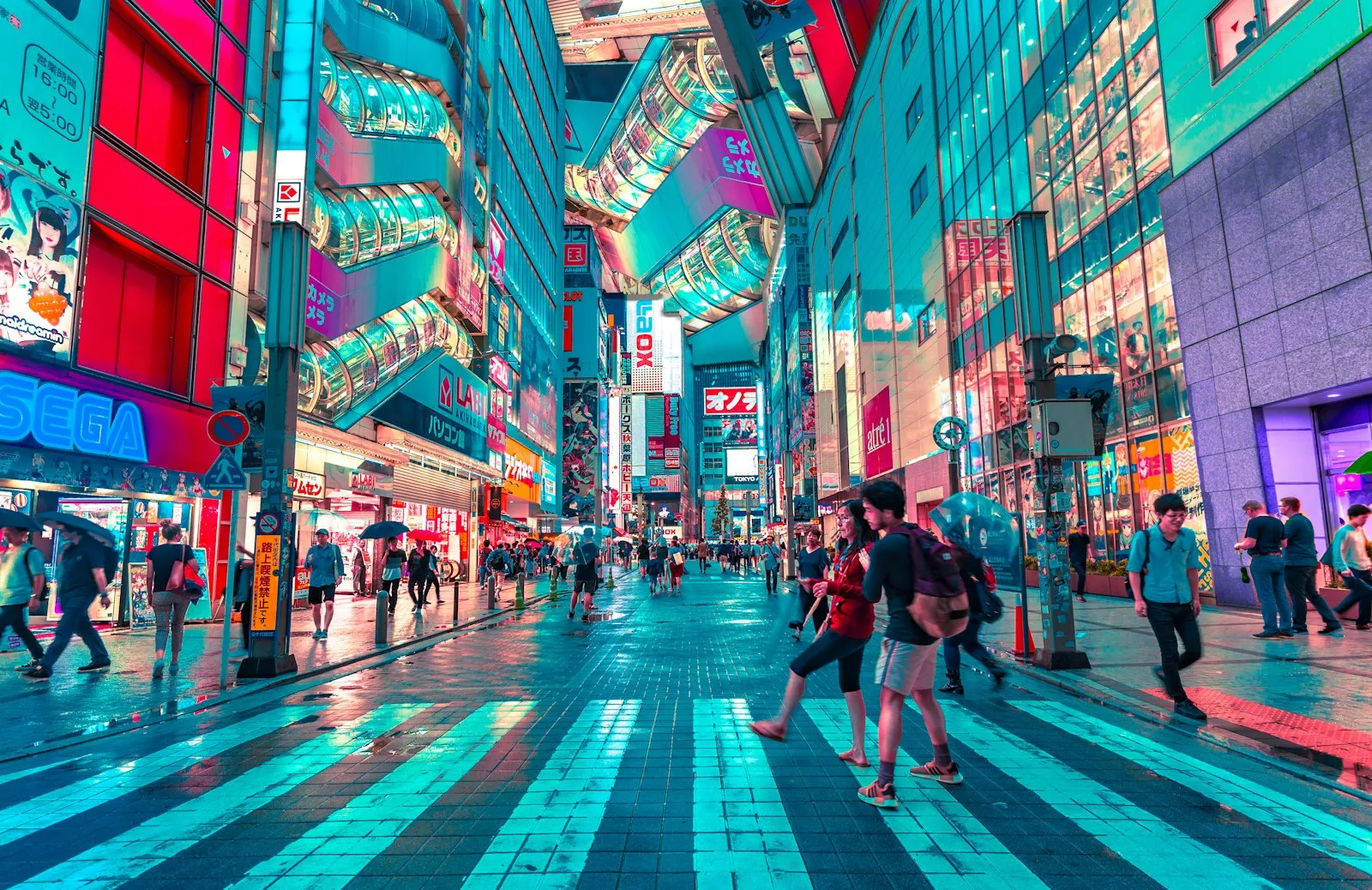
Ueno is two stops away and holds the park and the museums, which is the right call if the weather turns. Give it the early afternoon, pick one museum rather than three, and walk out through the market streets on the south side. Then Akihabara, which is better once the signs are lit: electronics floors, arcades, and shops that stack one hobby per storey. Eat where the queue is Japanese and the machine takes your order at the door; ticket-machine ramen shops are the most reliable cheap dinner in the city. If you still have legs, the last hour belongs to a convenience store and a river view.
Day two, 8am to 1pm: Meiji Shrine, Harajuku, Shibuya
Meiji Shrine sits in Shibuya inside a forest of 70 hectares planted with 120,000 trees of 365 species, all donated when the shrine was built from 1915; the present buildings were finished in October 1958. Walk the gravel avenue slowly, bow at the torii, and give it an hour. Come out at Harajuku, take Takeshita-dori if you want the noise and Omotesando if you want the architecture, and keep walking south. You reach Shibuya around noon, where up to 3,000 people cross the scramble on a green light that comes every two minutes; watch it from a window above, then find the Hachiko statue and eat.
Day two, 3pm to late: Shinjuku and the alleys
Give the afternoon to Ginza and the Tsukiji outer market if you want shops and seafood, or go straight to Shinjuku and take it slowly. The station swallows you whole, so pick an exit number before you go down. Evening is Golden Gai, a network of six narrow alleys in Kabukicho packed with over 200 tiny bars, most of which do not open until nine or ten, and where photography in the street is not allowed without the local association's permission. That is the polite part. The rest: Kabukicho is one of the police's high-risk areas for drink spiking and inflated bills, so never follow a tout, and see a menu with prices before you sit down.
Making 48 hours work, and staying online
Count the airport transfer against your two days. Narita is about 60 km east of the city: the JR Narita Express reaches Tokyo Station in about an hour and the Keisei Skyliner reaches Ueno in around forty minutes, while Haneda is the closer of the two airports. Do not buy a Japan Rail Pass for this; it only comes in 7, 14 or 21 consecutive days. Two rules that catch visitors: smoking on the street is illegal in Tokyo outside designated areas, and phone calls on trains are not done. Carry a little cash for small restaurants and shrines, and your passport, which you are required to have on you.
Goodbars sells a Japan eSIM you install at home and switch on when you land; it runs on NTT docomo, Japan's largest mobile network by mobile contracts, and our Japan coverage page shows where it reaches and what independent speed tests measure.