Shrines, temples and the old capitals
Start in Kyoto, capital from 794 to 1868, with roughly 2,000 temples and shrines and seventeen historic monuments inscribed by UNESCO in 1994. Fushimi Inari-taisha, founded in 711, is free and open around the clock, with about 800 gates in the Senbon Torii tunnel out of roughly 10,000 on the hill. Kiyomizu-dera is older than the city itself; Kinkaku-ji, rebuilt in 1955, carries gold leaf on its top two floors. In Nara, Todai-ji was founded in 738 and opened in 752 and holds the world's largest bronze Buddha Vairocana. Tokyo's Senso-ji, founded in 645, is the most visited religious site in the world.
Castles, gardens and old quarters
Himeji Castle is the one to see if you see one: 83 structures, the finest surviving example of the old castle architecture, listed by UNESCO on 11 December 1993 among the country's first sites, and reopened after restoration on 27 March 2015. Kanazawa keeps its samurai streets, and its garden Kenrokuen, one of the three great gardens of Japan, opened to the public in 1875 across about 10 hectares; the Hokuriku Shinkansen has brought it within around two and a half hours of Tokyo since 14 March 2015. Shirakawa-go, a village of steep thatched gassho-zukuri farmhouses, is a UNESCO site together with Gokayama. Hiroshima's Peace Memorial Park draws over a million visitors a year and its A-Bomb Dome was listed in 1996.
Islands, mountains and hot springs
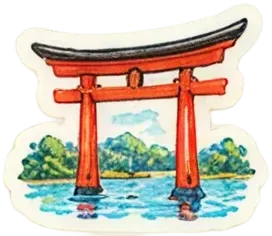
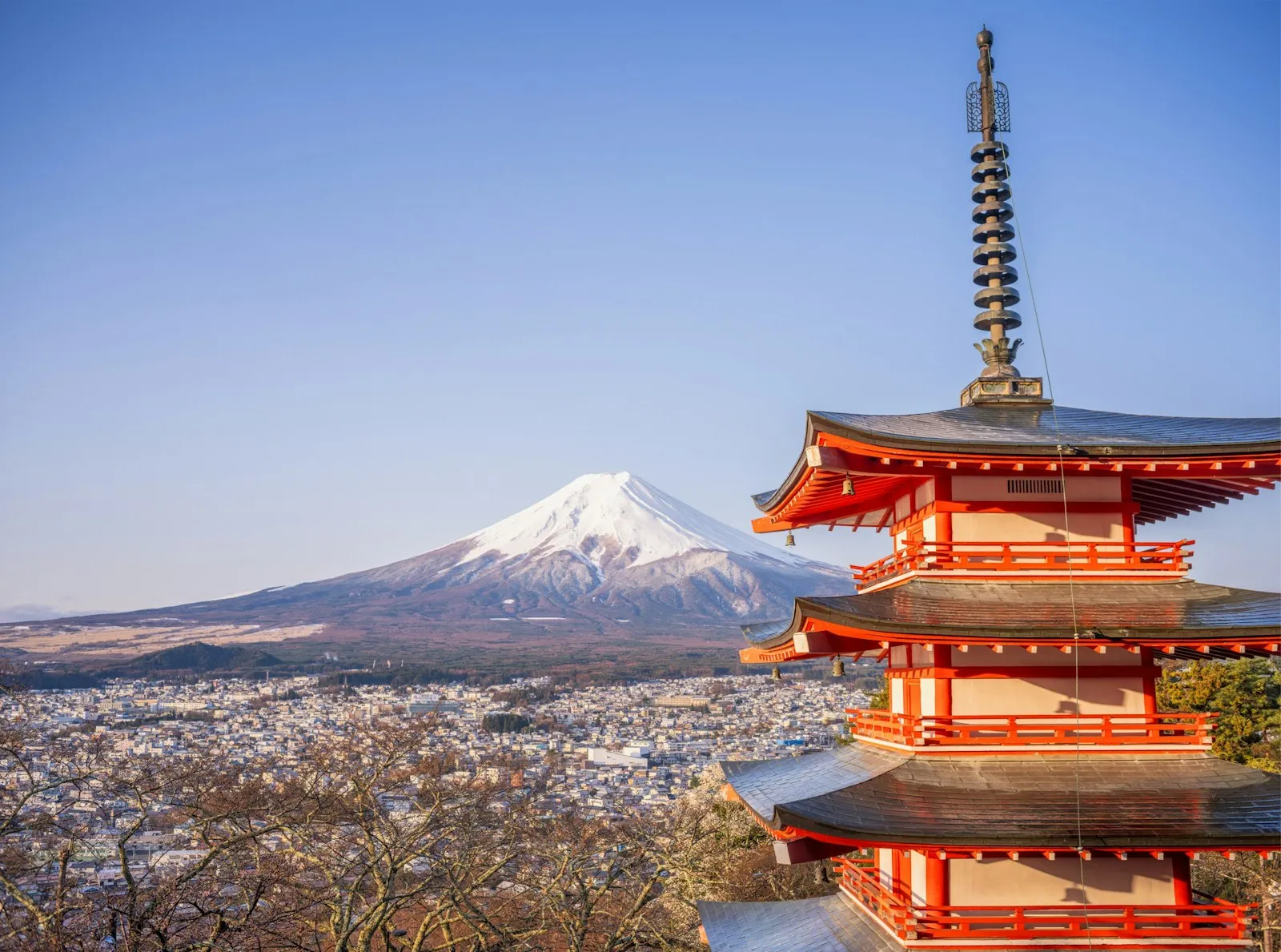
Itsukushima, the island better known as Miyajima in Hiroshima Bay, has been counted among the Three Views of Japan since 1643; its shrine is a UNESCO site, its five-storied pagoda dates to 1407, and Mount Misen rises to 535 metres with a ropeway that leaves a thirty-minute walk to the top. Mount Fuji, 3,776 metres and about 100 km south-west of Tokyo, was listed as a cultural site in 2013. The Japanese Alps cut across central Honshu, with Kamikochi as the walking base and ropeways that opened between 1967 and 1971. Everywhere in between there are onsen: bathe naked, wash first, keep the small towel out of the water, and check the tattoo policy before you pay.
Markets, food streets and the night
Nishiki Market in Kyoto runs about 400 metres between Takakura and Teramachi as a covered arcade of roughly 130 food shops, which is why it is called Kyoto's kitchen. In Tokyo, the Tsukiji outer market still sells breakfast, although the wholesale market closed on 6 October 2018 and moved to Toyosu. Osaka's Dotonbori runs along a canal begun in 1612 and finished in 1615, and it is where takoyaki and okonomiyaki belong. For the night, Shinjuku's Golden Gai packs over 200 tiny bars into six alleys, most opening at nine or ten, and photography in the street needs permission. Slurping is fine, tipping is not done, and the convenience stores are genuinely good.
The trains, and the days that are only about moving
The rail network is itself one of the things to do. Japan has 27,182 km of railway, some 250 shinkansen trains run on 2,951.3 km of dedicated line at 260 to 320 km/h, and the Tokaido Shinkansen has linked Tokyo, Yokohama, Nagoya and Osaka since 1964 over 552.6 km. Tokyo to Kyoto takes around two and a half hours and Kyoto to Osaka fifteen minutes, which is why two cities in one trip is normal here. Buy a reserved seat when you have a big case, since oversized luggage needs a booked space on the Tokaido line, and use a Suica or Pasmo for everything local. Trains leave on time, and that is not a figure of speech.
Things that only happen on a date, and staying online
Some of the best days in Japan are fixed to the calendar. Kyoto's Gion Matsuri runs through July, with its two float processions on 17 and 24 July and the yoiyama evenings before each, when the downtown streets close to traffic; the festival has been held annually since around the year 1000. Hiroshima holds its Peace Memorial Ceremony on 6 August. Cherry blossom comes mid-March into April and autumn colour from late October to early December. Against that, Golden Week from 29 April to 5 May, Obon in mid-August and the New Year days fill trains and hotels, so either book months ahead or travel around them.
Goodbars sells a Japan eSIM you install at home and switch on when you land; it runs on NTT docomo, Japan's largest mobile network by mobile contracts, and our Japan coverage page shows where it reaches and what independent speed tests measure.