What washoku actually is
Washoku, the traditional cuisine, went onto the UNESCO Intangible Cultural Heritage list in 2013, and its shape is simple: rice, miso soup, a few seasonal dishes, and dashi underneath most of it. Once you see the pattern you stop reading menus as lists of unrelated things. A set meal arrives as several small bowls at once rather than in courses, the seasoning is restrained because the stock is doing the work, and the season decides what is on the plate. Much of what visitors think of as Japanese food came later and from elsewhere: ramen and gyōza were adapted from Chinese cooking, and curry and the hamburger got the same treatment.
The dishes worth ordering by name
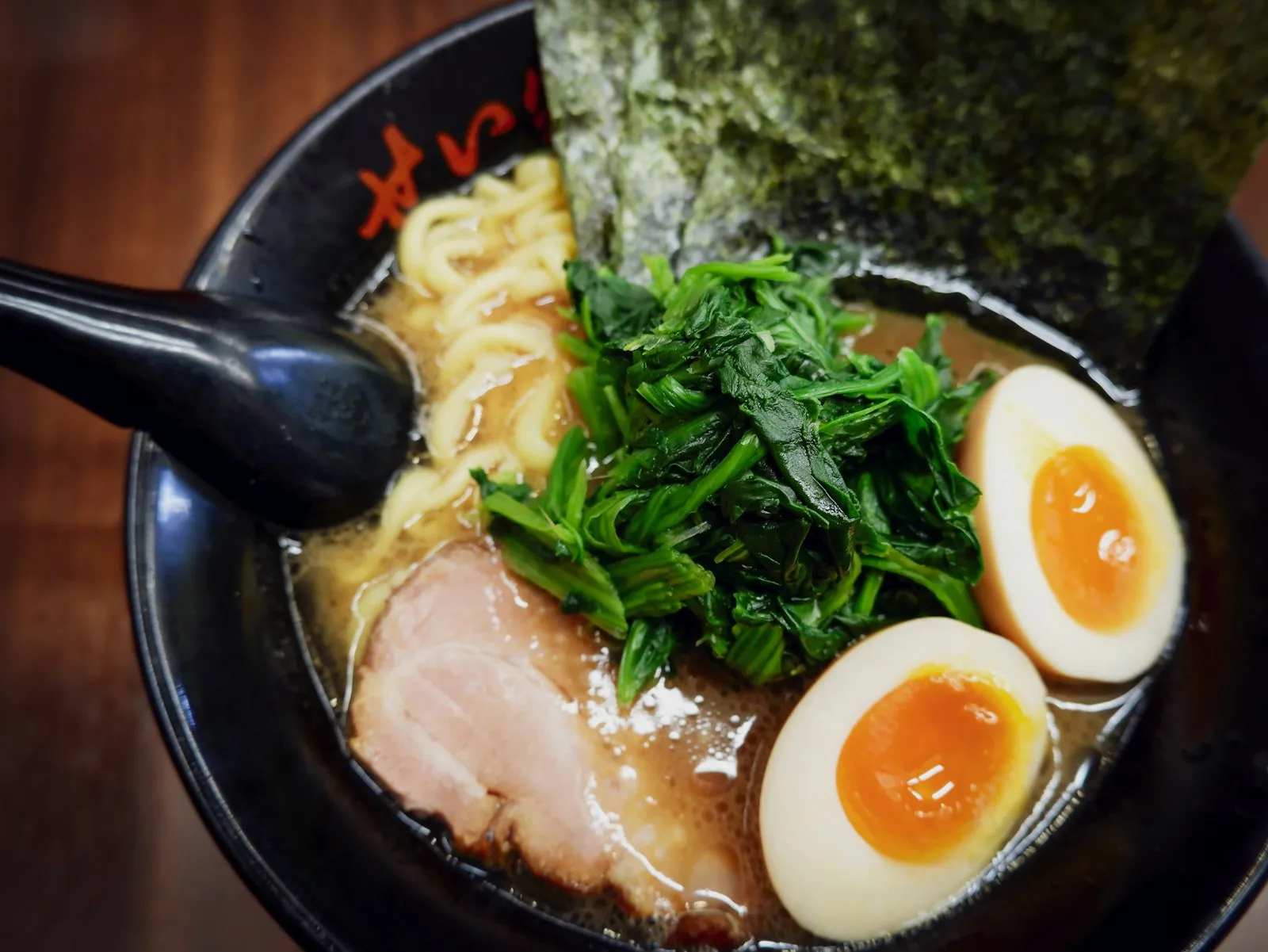
Order by name and you skip the picture menus. Sushi and sashimi are the obvious pair and are best treated as a meal of their own rather than a side. Tempura, battered and fried to order, is a specialist's dish and worth eating where that is all they do. Soba, made from buckwheat, and udon, thick and wheat-based, are the two noodle families to learn, and both are as good cold as hot. Ramen and gyōza came from Chinese cooking and were made local, as were Japanese curry and the hamburger. In Osaka ask for takoyaki and okonomiyaki. In Kyoto, kaiseki is the formal, seasonal, many-course version of everything above.
Ticket machines, izakaya and the manners that matter
A lot of the best food is ordered from a machine by the door. In ramen shops you press a button, pay the machine, hand the ticket across the counter and sit down, so no language is needed at any point. An izakaya is the other model: a drinking place where small dishes arrive in rounds through the evening. A hot oshibori towel comes first, for your hands. Do not stand chopsticks upright in rice and do not pass food from chopstick to chopstick; slurping noodles is fine; and put your money in the tray on the counter rather than into a hand. There is no tipping anywhere in Japan, and leaving some causes confusion rather than pleasure.
The konbini, the depachika and eating cheaply
Convenience-store food in Japan is genuinely good, and that changes how a trip gets eaten. Onigiri, sandwiches, hot food at the counter and cold noodles are all there, a Suica or Pasmo IC card pays for them with a tap, and supermarkets put discount stickers on fresh food late in the evening. The other end of the same idea is the depachika, the food hall in the basement of a department store, where counters sell prepared dishes, sweets and regional specialities to take away. Between those two you can eat well on days you have not booked anything, which is exactly what makes the occasional expensive dinner affordable.
Menus, words and dietary limits
Station signs are bilingual; menus often are not. The phrase to learn is eigo no menyu wa arimasu ka, do you have an English menu, and the fallback is your phone's translation camera held over the page, which works on vending machines too. Ikura desu ka asks the price, okaikei onegaishimasu asks for the bill, and oishii, delicious, is worth saying out loud. Sumimasen covers excuse me, sorry and catching a waiter's eye, and it is the single most useful word you can carry. Vegetarian, vegan and halal eating is manageable in Tokyo, Kyoto and Osaka and gets harder outside the big cities, not least because fish-based dashi sits in dishes that look entirely plant-based.