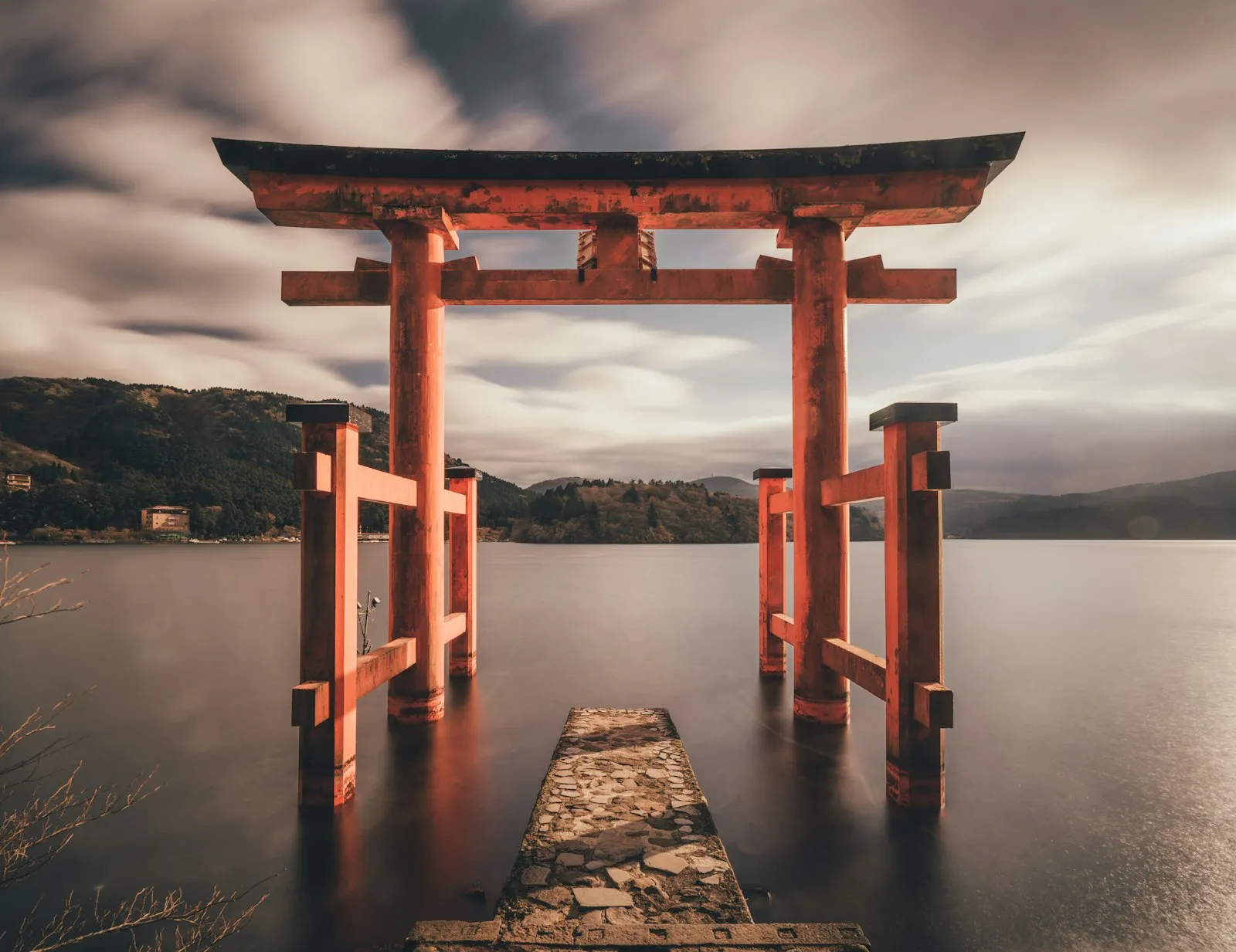
Shrine or temple: how to tell, and what to do
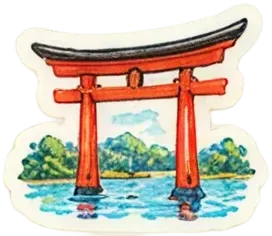
A torii gate means Shinto shrine; an incense burner and a Buddha hall mean Buddhist temple. Many sites have both, because the two religions lived side by side for centuries. At a shrine: bow once at the torii, rinse your hands at the stone basin, then at the offering box it is a coin, two bows, two claps, one bow. At a temple you do the same coin and bow but you do not clap. Shoes come off before you step into a hall, and slippers are provided. There is no strict dress code the way there is in Southeast Asia, but covered shoulders and quiet feet get you treated as a guest rather than as traffic.
Tokyo: Senso-ji and Meiji Jingu
Senso-ji in Asakusa is Tokyo's oldest temple, founded in 645 and dedicated to Kannon. It is also the most visited religious site in the world, with over 30 million visitors a year, so the Kaminarimon gate and the Nakamise-dori shopping street that leads to it are rarely empty. The grounds are open at all hours and the main hall keeps daytime hours; Asakusa Shrine stands next door, Shinto, quieter, and free. Meiji Jingu in Shibuya is the opposite mood: a Shinto shrine for Emperor Meiji and Empress Shoken inside a forest of 70 hectares, planted with 120,000 trees of 365 species donated from every part of Japan.
Kyoto: Fushimi Inari, Kiyomizu-dera, Kinkaku-ji
Fushimi Inari-taisha is the one that rewards getting up early. Founded in 711 by the Hata clan, it is the head shrine of Inari, with roughly 10,000 torii donated by businesses and about 800 of them in a row forming the Senbon Torii tunnel. The trails up Mount Inari, 233 metres, span 4 kilometres and take about 2 hours; it is free and open around the clock, which is why dawn works. Kiyomizu-dera in eastern Kyoto is part of the Historic Monuments of Ancient Kyoto World Heritage Site and holds the Kanji of the Year ceremony every 12 December. Kinkaku-ji is short and golden: the pavilion stands three storeys and 12.5 metres, its top two floors in gold leaf, rebuilt in 1955 after an arson attack.
Nara: Todai-ji and the deer park
Todai-ji holds the world's largest bronze statue of the Buddha Vairocana, and the hall around it is the point. The temple was founded in 738 and opened in 752; the Great Buddha Hall you walk into was finished in 1709 and measures 57 metres long, 50 wide and 49 high, which is still 30 percent smaller than the building it replaced. The Nandaimon, the Great South Gate, dates from the end of the 12th century. It all sits inside Nara Park, established in 1880 and covering 502 hectares, where over 1,200 wild sika deer roam as a protected natural treasure. They are wild animals: at least 164 people were injured by them between 2017 and 2018, so do not tease them for a photograph.
Further out: Miyajima, Koyasan, Nikko
These three are the ones people wish they had built a night around. Itsukushima, known as Miyajima, was named one of the Three Views of Japan back in 1643; the shrine complex was built in 593 and given its present form by Taira no Kiyomori in 1168, and the five-storied pagoda above it dates from 1407. Mount Misen, the island's high point at 535 metres, has a ropeway that leaves you a 30-minute hike from the top. Mount Koya in Wakayama is a temple settlement with 120 sub-temples, many of which lodge pilgrims, inscribed by UNESCO in 2004. Nikko, about 140 kilometres north of Tokyo, holds Tokugawa Ieyasu's mausoleum at Nikko Tosho-gu, completed in 1617, and Futarasan shrine, which dates to 767; 103 structures there went on the World Heritage list in 1999.
Timing, money and staying connected
Dawn is the single biggest upgrade available at any of these places. Fushimi Inari and Senso-ji are open when nobody else is there; Kyoto in cherry blossom season, late March into April, and in the autumn colour of late October to early December is where everyone goes, so book early and start at first light. Many shrines are free; temple halls and castle keeps usually charge, and the amount is posted at the entrance rather than online, so carry coins. Cash still goes a long way at shrines and rural temples even though cities take cards. Goodbars sells a Japan eSIM you install at home and switch on when you land; it runs on NTT docomo, Japan's largest mobile network by mobile contracts, and our Japan coverage page shows where it reaches and what independent speed tests measure.